
The fundamental relationship between users, search engines, and content creators is undergoing its most dramatic shift since the advent of the commercial internet. In 2026, Google’s integration of generative AI directly into its search results—commonly referred to as Search Generative Experience (SGE) or AI Answers—has matured from an experiment into the default user experience for a vast number of queries. This evolution presents an existential challenge for publishers who have long relied on organic search traffic as a primary audience and revenue driver. The era of the ’10 blue links’ is fading, replaced by a single, comprehensive AI-generated answer box that aims to satisfy user intent without a single click-through.
The New Search Reality: Zero-Click Search on Steroids
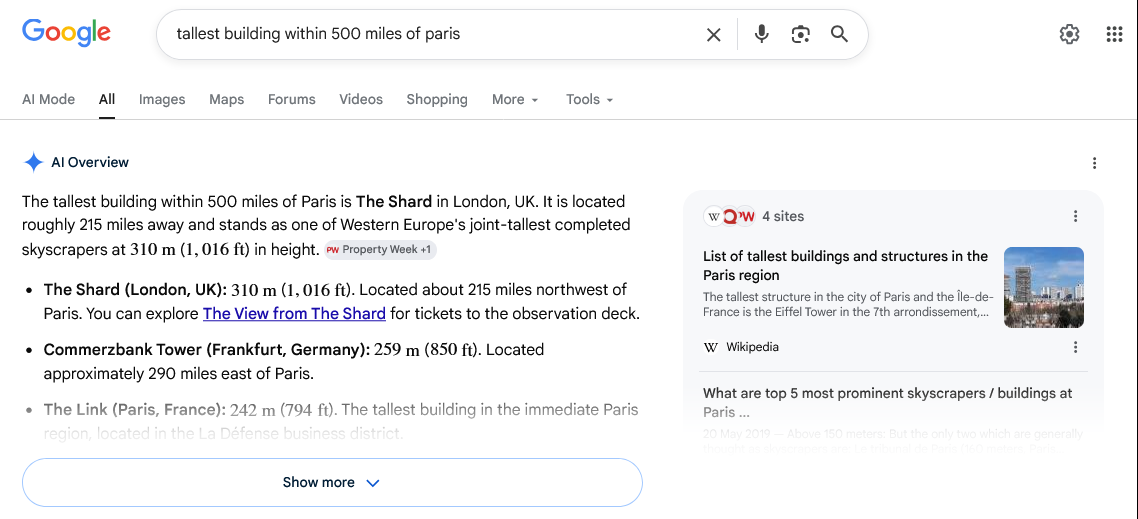
For decades, publishers optimized content to rank for specific keywords, hoping to capture a coveted spot on Google’s first page. The goal was the click. Today, that goalpost has moved. Google’s AI answers synthesize information from multiple top-ranking sources to generate a direct, conversational response to a user’s question. Whether someone searches for “best budget gaming laptop 2026,” “symptoms of a specific condition,” or “how to fix a leaky faucet,” the AI provides a detailed summary right at the top of the page.
This creates a ‘zero-click search’ environment of unprecedented scale. Users get their answers instantly, often eliminating the need to visit the publisher’s website that originally provided the information. This has led to what some industry observers have described as a significant decline in traffic for informational and commercial intent queries, particularly from publishers in niches like health, finance, home improvement, and product reviews.
Why This Shift Was Inevitable
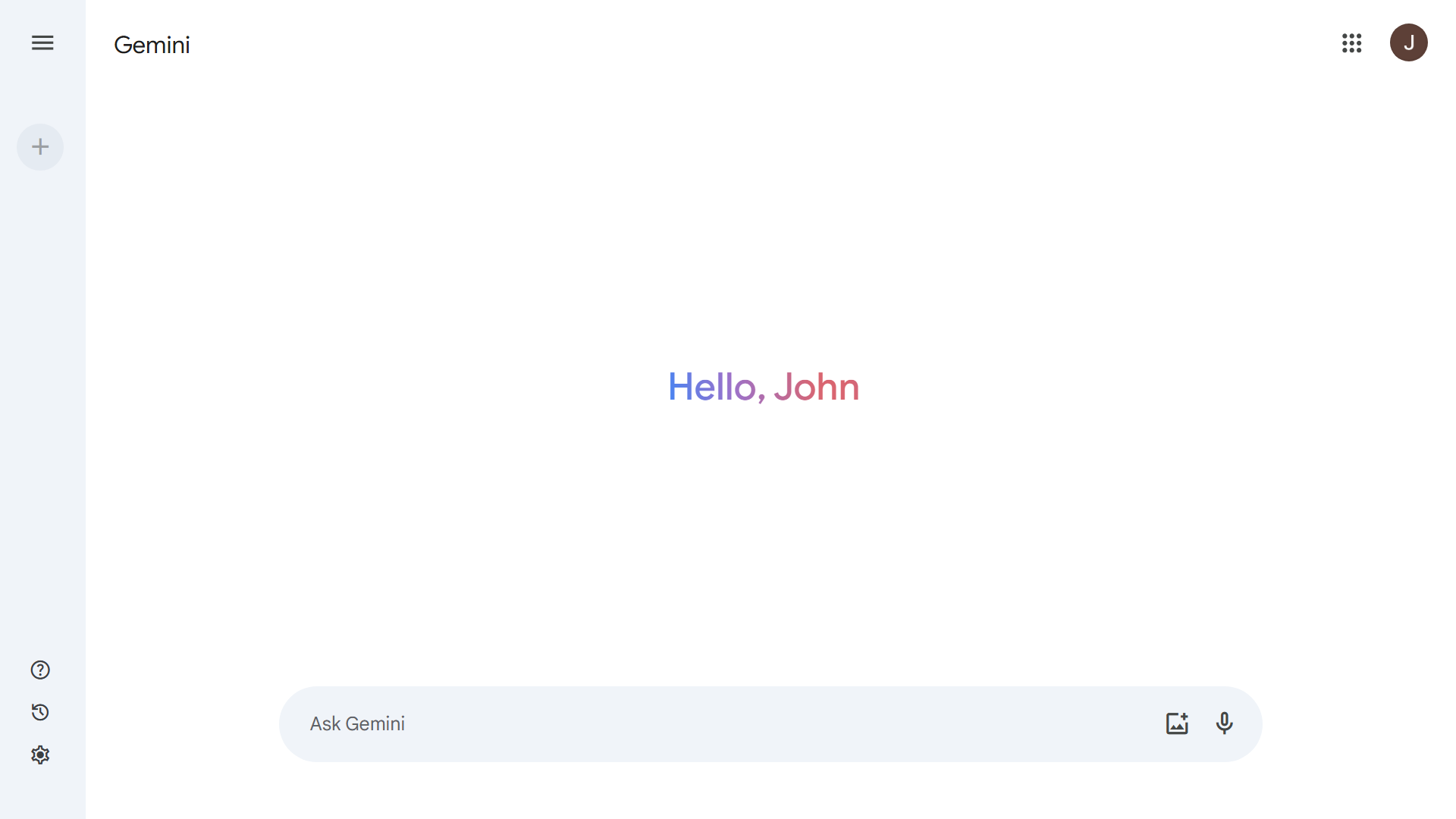
This transition isn’t merely a product change from Google; it’s a response to broader technological and user behavior trends. The success of AI assistants like ChatGPT and Gemini trained users to expect immediate, synthesized answers rather than a list of links to sift through. Google, facing competitive pressure and a desire to keep users within its ecosystem, had to adapt. The AI answer is the culmination of featured snippets, knowledge panels, and People Also Ask boxes, all rolled into one powerful, generative interface.
For the user, this is a net positive—faster, more direct access to information. For publishers, however, it represents a monumental challenge to their traditional business models, which are often built on ad impressions and affiliate revenue generated from that traffic.
Adaptation Strategies for Publishers in 2026
Adapting to this new landscape requires a fundamental rethinking of content strategy, monetization, and audience engagement. The old playbook is obsolete. Here’s how forward-thinking publishers are navigating the AI-powered search era.
1. Pivot from Commodity Information to Value-Added Experience
If your content can be easily summarized by an AI, it will be. The key is to create content that an AI cannot easily replicate or that provides a significantly better experience on your own site. This means moving beyond basic informational articles to:
- Deep, Original Reporting and Analysis: AI models synthesize existing information; they cannot conduct original interviews, break news, or provide unique expert commentary that hasn’t been published elsewhere.
- Interactive Content: Embed interactive tools, calculators, quizzes, and configurators. An AI can tell someone how to calculate a mortgage payment, but a interactive calculator on your site provides the actual value, forcing engagement.
- Community and Conversation: Foster a vibrant comment section, forum, or user community. The lived experiences and discussions among real people are something an AI answer cannot provide.
- Multi-Format Content: Complement written articles with high-quality embedded video, audio clips from interviews, and detailed image galleries. A purely textual AI answer lacks this rich media experience. Tools like Runway ML are making professional-grade video more accessible for content teams looking to diversify.
2. Double Down on E-E-A-T and First-Hand Expertise
Google’s guidelines have long emphasized Experience, Expertise, Authoritativeness, and Trustworthiness (E-E-A-T). In the age of AI answers, this is more critical than ever. Google’s AI is more likely to cite and link to sources that demonstrably possess these qualities, especially for Your-Money-Your-Life (YMYL) topics.
Publishers must:
- Clearly showcase author credentials, experience, and qualifications.
- Invest in content written by genuine subject matter experts, not just generalist writers.
- Prioritize primary research, original data, and case studies.
- Be transparent about sourcing and methodology. This builds the trust that AI systems are designed to recognize and reward with citations.
3. Diversify Traffic and Revenue Streams
Relying solely on Google search traffic is now a high-risk strategy. Successful publishers are building audiences across multiple channels:
- Email Newsletters: A owned audience that you can reach directly, bypassing search algorithms entirely.
- Social Media Communities: Building a loyal following on platforms like LinkedIn, Twitter, or niche communities where you control the relationship.
- Direct Traffic and Brand Searches: Focus on building a powerful, trusted brand that users remember and type directly into their browser.
- Alternative Search Platforms: While smaller, platforms like Perplexity AI are built around a model of citing sources, which can actually drive qualified referral traffic.
For monetization, explore direct sponsorships, premium subscriptions, lead generation, and selling digital products. Affiliate revenue remains viable, but it must be integrated into high-value, experiential content that users are compelled to visit.
4. Optimize for the “Cite the Source” Model
Google’s AI answers often include links to the sources it used to generate its response. Your new SEO goal is to become one of those cited sources. This involves:
- Structuring content clearly with well-defined headings (H2s, H3s) that directly answer common questions.
- Using schema markup (like FAQPage and HowTo) to help AI systems understand and extract information from your pages.
- Creating definitive, comprehensive guides on topics that are likely to be queried. Being the most thorough source increases the chance of being cited.
5. Leverage AI as a Productivity Tool, Not an Adversary
To compete, publishers must themselves become adept users of AI. These tools can drastically improve efficiency, allowing small teams to compete with larger outfits. Use AI for:
- Ideation and outlining articles.
- Summarizing complex reports or transcripts.
- Repurposing content into different formats (e.g., turning a blog post into a script for a video).
- Personalizing email newsletter content.
- Basic coding tasks to build interactive elements using tools like Cursor or automating workflows with platforms like n8n.
This frees up human experts to focus on the high-value, original work that AI cannot replicate. It’s also crucial to verify AI-written content rigorously to maintain the trust that is your greatest asset.
The Future of Search and Content
The trajectory is clear: search will become increasingly conversational and answer-oriented. The publishers who thrive will be those who stop fighting the tide and start swimming with it. They will accept that their role is evolving from being a destination for basic facts to being a source of unparalleled depth, experience, and trust.
Success in 2026 and beyond means building a brand so strong that users seek it out directly, creating content so unique and valuable that AI systems must cite it, and developing revenue models that are not solely dependent on the whims of a single algorithm. The challenge is immense, but for those who adapt, it also represents an opportunity to build a more sustainable and resilient business.
What to Read Next
- How to Run Inkling 2 Mini Locally with Qwen and Unsloth in 2026
- Dario Amodei Suggests Video Games as Solution to AI-Induced Joblessness: What It Reveals About Silicon Valley’s Future
- Google Workers Push Back on AI in Schools: What the Employee Revolt Means for AI Ethics in 2026
- Frostbite AI-Designed CPU Architecture: What It Is and Why It Matters in 2026
- Browse all AI Stack Digest articles
Bookmark aistackdigest.com for daily AI tools, reviews, and workflow guides.
This article was produced with the assistance of AI tools and reviewed by the AIStackDigest editorial team.