

AI Tools Researcher
The year 2026 marks a pivotal moment for content creators. What was once considered a niche or experimental field, AI animation has now matured into an indispensable toolkit, empowering individuals and studios alike to bring their visions to life with unprecedented speed and efficiency. Gone are the days when high-quality animation demanded exorbitant budgets and months of painstaking labor. Today, thanks to rapid advancements in artificial intelligence, creators can generate complex sequences, lifelike characters, and dynamic scenes from simple text prompts, still images, or even short video clips. But with a rapidly expanding landscape of AI animation tools, choosing the right one can feel like navigating a maze. This guide cuts through the noise, offering a comprehensive look at the leading AI animation tools available in 2026, helping you understand their unique strengths, target users, and how to leverage them for your creative projects. We’ll delve into five key players: DomoAI, Runway, Kling, Pika, and Sora, providing a one-sentence verdict for each, followed by an in-depth analysis to help you make an informed decision.

Image: DomoAI
DomoAI: Your Gateway to Stylized AI Animation
DomoAI excels at transforming existing images and videos into a myriad of artistic styles, making it perfect for creators seeking unique visual aesthetics without extensive manual effort. At its core, DomoAI offers a user-friendly platform that prioritizes artistic transformation. Whether you’re looking to turn a live-action clip into an anime masterpiece, a watercolor painting, or a surreal abstract sequence, DomoAI provides a wide array of pre-trained models and customizable parameters to achieve your desired look. This makes it particularly appealing to digital artists, social media influencers, and marketers who need to produce visually striking content quickly. Its intuitive interface means even beginners can achieve impressive results, while more experienced animators can fine-tune outputs to match their specific creative vision. Pricing for DomoAI operates on a credit-based system, with various tiers designed to accommodate different levels of usage, from occasional projects to high-volume production. Free trials are often available, allowing users to experiment with its capabilities before committing to a subscription. The strength of DomoAI lies in its versatility of style transfer and its ease of use. It democratizes complex animation techniques, enabling creators to experiment with different artistic directions effortlessly. However, its primary focus on style transformation means it might not be the go-to tool for generating entirely new, complex animated scenes from scratch or for achieving hyper-realistic CGI. Its standout feature is undoubtedly its extensive style library and the granular control it offers over the intensity and characteristics of each style, giving creators unparalleled artistic freedom within its specific niche.
Image: Runway
Runway: The All-in-One AI Creative Suite for Dynamic Visuals
Runway stands as a comprehensive AI creative suite, offering a powerful array of tools for video generation, editing, and effects, catering to filmmakers, motion graphics artists, and experimental creators. What began as a platform for AI-powered video editing has evolved into a powerhouse for generative AI. Runway’s Gen-4.5 model is particularly acclaimed for its ability to generate high-quality video clips from text, images, or existing video, offering impressive control over motion and style. Beyond generation, Runway provides a suite of magical editing tools, such as inpainting, outpainting, rotoscoping, and motion tracking, all powered by AI to streamline complex post-production tasks. This makes it an invaluable asset for indie filmmakers working on tight schedules, commercial artists needing quick turnarounds, and VFX professionals looking to augment their traditional workflows. Runway offers various subscription plans, including a robust free tier with limited generation minutes, making it accessible for individuals to explore its capabilities, with paid plans scaling up for professional and enterprise use. Its strengths lie in its versatility and the seamless integration of generative and editing features within a single platform. The quality of its generated video and its sophisticated editing capabilities set it apart. While it offers extensive control, the sheer number of features can sometimes present a steeper learning curve for absolute beginners compared to more specialized tools. Runway’s standout feature is its real-time generative capabilities, allowing creators to iterate and experiment with visual ideas in a highly responsive environment, fostering creativity and accelerating production timelines.
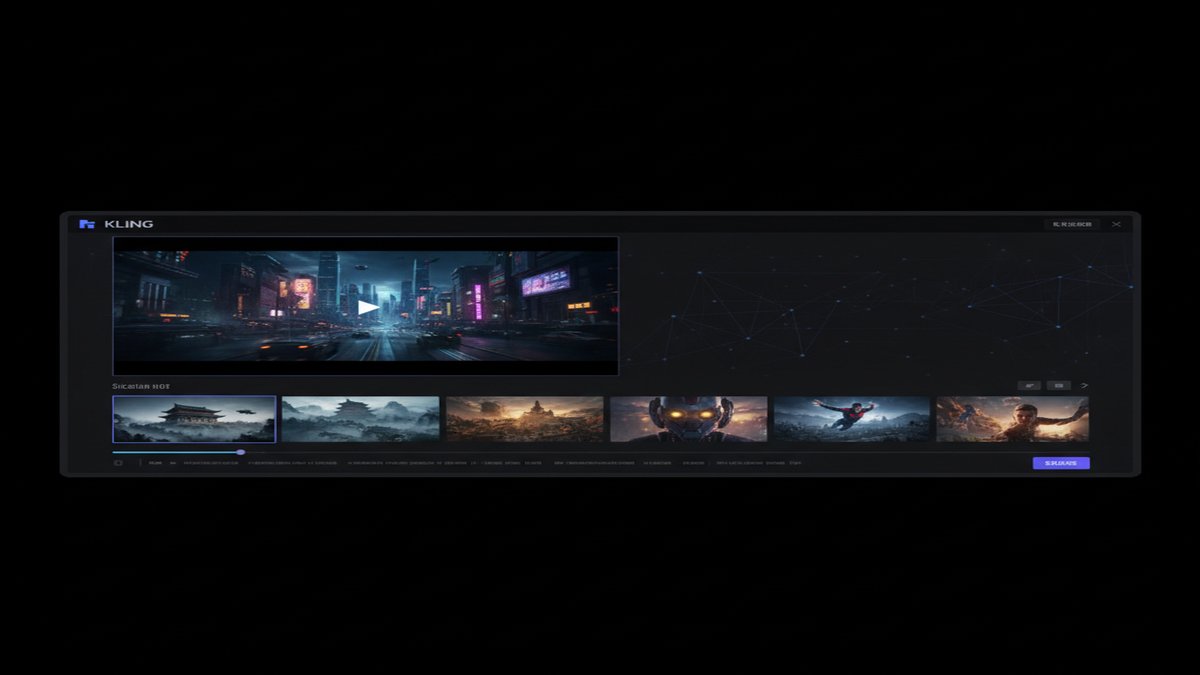
Image: Kling
Kling: High-Fidelity Video Generation with a Focus on Detail
Kling is a rising star in the AI video generation space, known for its ability to produce highly detailed and consistent video content, making it ideal for professional animators and visual effects artists. Developed with an emphasis on visual fidelity and coherence, Kling stands out for its strong understanding of complex prompts and its capacity to maintain object permanence and scene consistency across generated frames. This is a critical advantage for creators who require precision and continuity in their animated sequences. Kling is particularly well-suited for advertising agencies, product visualization specialists, and game developers who need to generate high-quality assets or marketing content. Its advanced algorithms are designed to minimize common artifacts found in earlier AI video models, resulting in cleaner and more polished outputs. Information on Kling’s pricing is typically found through direct inquiry or via its platform, often targeting professional users with custom solutions based on usage and feature requirements. The primary strength of Kling is its commitment to high-resolution, high-fidelity video generation, delivering results that often require less post-production refinement. Its main weakness, if any, could be its potentially higher barrier to entry for casual users, given its focus on advanced features and professional-grade outputs. Kling’s standout feature is its impressive ability to render intricate details and maintain visual coherence over longer durations, a challenge that many other AI video generators still struggle to fully overcome, positioning it as a top contender for demanding projects.
Image: Pika
Pika: Rapid Prototyping and Creative Exploration for All
Pika is a user-friendly AI video generation platform designed for rapid content creation and creative exploration, making it perfect for social media creators, digital artists, and anyone looking to quickly visualize ideas. Pika’s core philosophy revolves around accessibility and speed. It allows users to generate short, engaging video clips from text prompts, images, or even simple sketches with remarkable efficiency. The platform is known for its iterative capabilities, enabling creators to quickly test different concepts, styles, and motions, making it an excellent tool for brainstorming and prototyping. Its intuitive interface and streamlined workflow mean that creators can go from an idea to a generated video in minutes, significantly reducing the time spent on initial drafts. Pika often offers a freemium model, providing a generous free tier with limited generation capacity and affordable paid subscriptions that unlock more features, higher resolutions, and increased usage limits. This pricing structure makes it highly attractive to individual creators and small businesses. Pika’s strengths lie in its ease of use, speed of generation, and its ability to foster creative experimentation. It democratizes video creation, allowing users without traditional animation skills to produce dynamic content. While excellent for short-form content and stylistic exploration, it might not offer the same level of granular control or long-form narrative capabilities as more advanced, professional-grade tools. Its standout feature is its ability to translate abstract ideas into engaging animated visuals almost instantaneously, making it a powerful tool for visual ideation and social media content.
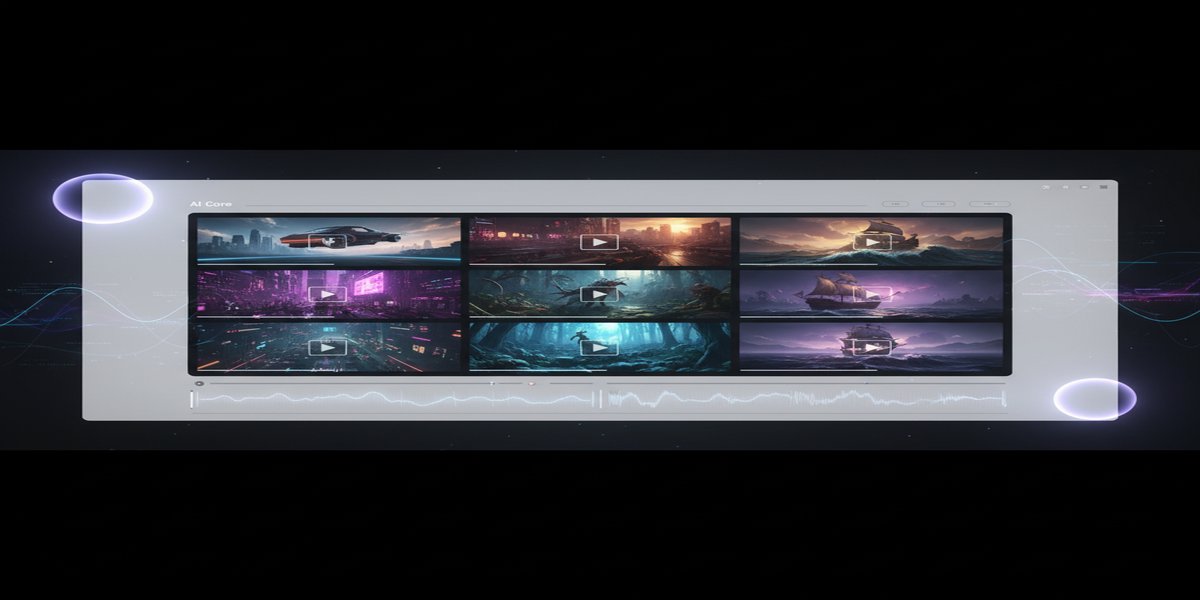
Image: Sora
Sora: Pioneering Photorealism and Complex Scene Generation
Sora, developed by OpenAI, is a groundbreaking text-to-video model renowned for generating photorealistic and highly coherent video scenes, pushing the boundaries of what AI animation can achieve. Sora’s primary focus is on understanding the physical world in motion, producing videos that exhibit remarkable fidelity to real-world physics, intricate details, and complex camera movements. It can generate scenes with multiple characters, specific types of motion, and accurate renditions of subjects and backgrounds from simple text prompts. This makes it an aspirational tool for high-end film production, realistic simulations, and advanced research in generative AI. Currently, Sora’s availability is limited, often accessible to researchers and a select group of creators for testing and feedback, indicating a premium pricing model once it becomes widely available, likely targeting enterprise and professional studio applications. Sora’s unparalleled strength lies in its ability to generate long, complex, and photorealistic video sequences that maintain visual consistency and adhere to detailed prompts, including emotional nuances and intricate interactions. Its main limitation at present is its restricted access and the computational resources it demands, which are likely to position it as a high-end solution. The standout feature of Sora is its foundational approach to understanding and simulating the real world, allowing it to generate highly dynamic and believable scenes that redefine the standards for AI-generated video content, marking a significant leap forward in the field.
DomoAI is a fantastic option for creators looking to quickly apply diverse artistic styles to their existing video content. Its ease of use and extensive style library make it a powerful tool for visual experimentation and social media engagement, bridging the gap between artistic vision and technical execution.
How to Choose the Right Tool for Your Needs
Navigating the diverse landscape of AI animation tools requires a clear understanding of your specific needs and creative goals. There isn’t a one-size-fits-all solution, as each tool offers a unique blend of strengths and caters to different user profiles. For instance, if you’re a social media influencer or a digital artist whose primary goal is to quickly generate eye-catching short-form content with distinct artistic flair, then a tool like Pika or DomoAI would be an excellent choice. Pika excels in rapid prototyping and quick stylistic iterations, allowing you to experiment with various visual concepts on the fly. DomoAI, on the other hand, specializes in transforming existing footage into a wide array of artistic styles, providing a powerful avenue for creative expression without needing to generate content from scratch. Both are designed for ease of use and offer accessible pricing tiers, making them ideal entry points into AI animation.
If your ambitions lean towards more complex video production, such as independent filmmaking, commercial advertising, or advanced motion graphics, then Runway presents itself as a robust all-in-one solution. Its Gen-4.5 model and comprehensive editing suite empower users to generate high-quality video, perform intricate visual effects, and streamline post-production workflows. Runway offers a significant balance between creative control and AI-driven efficiency, making it suitable for professionals who demand both quality and speed. For those pushing the boundaries of visual fidelity and requiring hyper-realistic or highly consistent long-form animated scenes, Kling and Sora are the frontrunners. Kling is lauded for its detailed and coherent video generation, ideal for scenarios where precision and minimal post-refinement are paramount, such as product visualizations or high-end animations. Sora, while still in limited access, represents the pinnacle of photorealism and complex scene understanding, poised to revolutionize high-budget film and simulation industries. Your decision should ultimately hinge on your project’s scope, desired aesthetic, budget, and your comfort level with the complexity of the tool. Consider whether you need rapid experimentation, extensive style transfer, an integrated editing environment, or cutting-edge photorealistic generation. A clear understanding of these factors will guide you to the AI animation tool that best empowers your creative journey in 2026.
The Bottom Line
In the evolving world of AI animation, the “best” tool is truly subjective, depending on your specific requirements. For sheer artistic versatility and ease of transforming existing visuals, DomoAI shines, offering a creative playground for stylized content. If you’re a filmmaker or motion designer seeking a powerful, integrated platform for both generation and editing, Runway is an unbeatable choice, providing a comprehensive toolkit for professional-grade output. For those prioritizing visual precision and consistent, high-fidelity animation, Kling delivers exceptional detail and coherence, making it a top pick for demanding projects. Pika stands out as the champion for rapid prototyping and quick, engaging social media content, thanks to its user-friendly interface and speed. Finally, for groundbreaking photorealism and the generation of incredibly complex, dynamic scenes, Sora from OpenAI remains the undisputed leader, albeit with limited current access, setting the benchmark for the future of AI video. In 2026, content creators have an unprecedented array of powerful AI animation tools at their disposal, each capable of transforming creative workflows and opening new artistic frontiers.
What to Read Next
- Best Small Vision-Language Models 2026: Moondream 3 vs NVIDIA Nemotron vs Meta Muse
- Apple vs. OpenAI: Trade Secrets Showdown Heats Up as OpenAI Concedes on IP Use
- Apple vs. OpenAI: Trade Secrets Showdown Heats Up as OpenAI Concedes on IP Use
- Building a Local RAG System: Step-by-Step With Ollama + ChromaDB
- Browse all AI Stack Digest articles
Bookmark aistackdigest.com for daily AI tools, reviews, and workflow guides.
This article was produced with the assistance of AI tools and reviewed by the AIStackDigest editorial team.