

Senior AI Journalist
The artificial intelligence landscape continues its rapid evolution, with major players making significant strides in model development, application integration, and hardware innovation. This morning’s digest highlights OpenAI’s latest frontier model, GPT-4o, Anthropic’s strategic expansion of Claude’s capabilities into personal applications, and Google Cloud’s bold move to challenge NVIDIA’s dominance in the AI chip market. These developments underscore the intensifying competition and the relentless pace of advancement shaping the future of AI. From enhanced coding agents to AI-powered “super apps” and the silicon that drives it all, the industry is buzzing with breakthroughs set to redefine how we interact with technology and automate complex tasks.
OpenAI Unveils GPT-4o: Powering Codex and Paving the Way for an AI Super App
OpenAI has officially announced the release of its latest frontier model, GPT-4o, marking a pivotal moment in the company’s ambitious journey toward developing an AI “super app.” This new iteration significantly enhances capabilities across a broad spectrum, building on the foundation laid by its predecessors. A key highlight of this release is the seamless integration of GPT-4o into Codex, OpenAI’s specialized agentic coding application. This integration, powered by NVIDIA’s high-performance GB200 NVL72 rack-scale systems, represents a monumental leap in the evolution of AI agents, particularly within developer workflows. The synergy between OpenAI’s advanced modeling and NVIDIA’s robust infrastructure aims to unlock unprecedented levels of productivity and innovation.
The strategic vision behind GPT-4o extends beyond mere performance improvements. OpenAI envisions this model as a crucial component in its broader goal of creating an AI “super app”—a unified platform capable of handling diverse digital tasks and complex problem-solving scenarios. Developers and businesses leveraging Codex will immediately benefit from GPT-4o’s enhanced capabilities, allowing AI agents to tackle intricate coding challenges with greater autonomy and precision. With over 10,000 users already part of the Codex ecosystem, this deployment signifies a major step in scaling agentic AI capabilities for professional environments, transforming not just software development but potentially a wider array of knowledge work. The improved model is designed to handle complex, multi-part tasks by planning, using tools, and navigating ambiguity autonomously. Notably, GPT-4o maintains the same per-token latency as its predecessor, GPT-5.4, while demonstrating higher efficiency by requiring fewer tokens for Codex tasks. As the model rolls out to ChatGPT Plus, Pro, Business, and Enterprise users, with API deployments to follow further safeguard implementations, the AI community anticipates a new era of productivity and complex task automation.
Source: OpenAI Blog
Anthropic Expands Claude AI with New Personal App Connectors
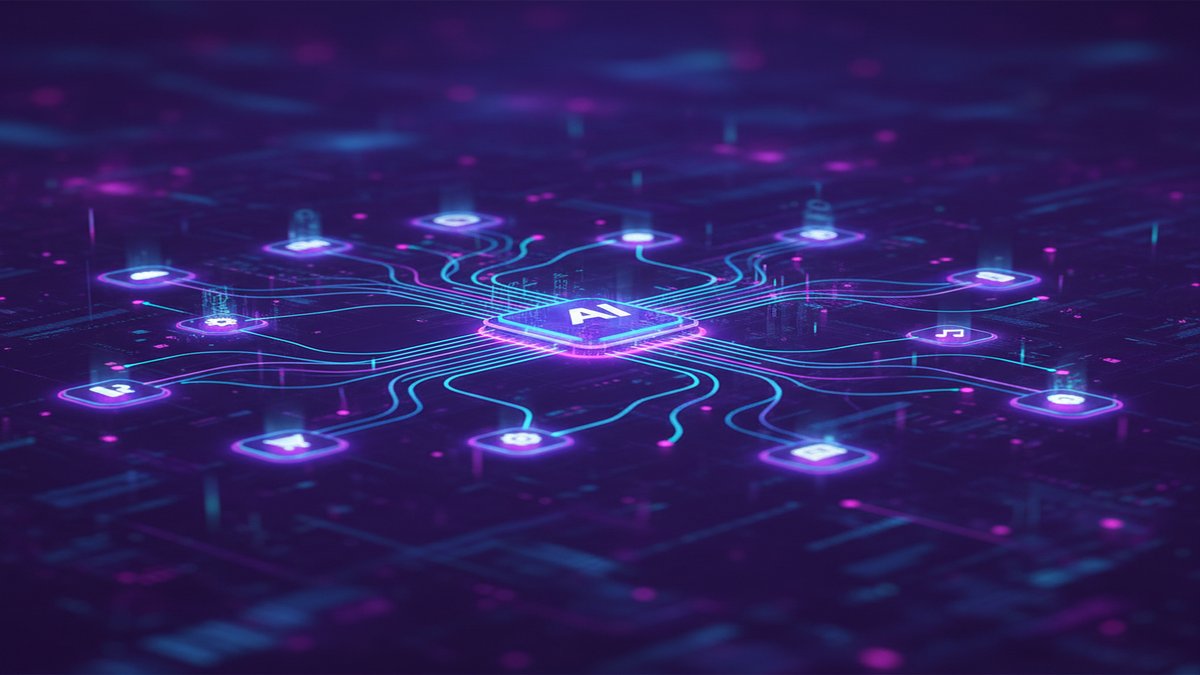
Anthropic, another leading AI research and development company, has announced a significant expansion for its AI assistant, Claude. This update introduces direct connectors to a wide range of popular personal applications, bridging the gap between sophisticated AI and daily lifestyle management. While Claude has historically focused on professional integrations, such as those with Microsoft applications, this strategic move diversifies its utility, allowing users to embed AI assistance into various aspects of their personal lives. The expansion includes connections to popular services like Spotify for music, Uber and Uber Eats for transportation and food delivery, Audible for audiobooks, and Instacart for grocery shopping.
Beyond entertainment and conveniences, the update also incorporates specialized tools designed to assist with personal planning and financial management. Users can now connect Claude to platforms such as AllTrails for hiking and outdoor activities, TripAdvisor for travel planning, and TurboTax for tax preparation and financial oversight. This broad array of integrations signifies Anthropic’s commitment to making Claude a truly ubiquitous personal assistant, capable of interacting with personal data across diverse ecosystems. By moving beyond work-related tasks, Claude aims to assist with everything from managing one’s recreational activities and travel arrangements to streamlining household chores and complex financial errands. This expansion not provides a useful news item, but it also reflects a growing industry trend towards more integrated, versatile, and user-centric AI solutions that seamlessly blend into both professional and personal routines, offering a comprehensive and responsive AI companion.
Source: Anthropic
Google Cloud Unveils Next-Generation AI Chips, Intensifying Rivalry with NVIDIA
In a bold move to challenge NVIDIA’s long-standing dominance in the artificial intelligence hardware market, Google Cloud has officially announced the launch of two new Tensor Processing Units (TPUs). These next-generation AI chips represent a significant technological advancement, promising enhanced speeds and reduced operational costs compared to their predecessors. This aggressive push into proprietary silicon development underscores Google’s commitment to strengthening its internal AI infrastructure and reducing its reliance on external providers for the crucial hardware that powers its advanced AI initiatives. The tech giant’s strategy, however, is not one comprised of only independence.
Google maintains a strategic balance by continuing to support NVIDIA hardware within its cloud infrastructure, acknowledging the established market demand and performance capabilities of NVIDIA’s offerings. This dual-track approach allows Google to not only offer its highly competitive proprietary solutions but also cater to existing customers who prefer or require NVIDIA-based systems. The unveiling of these new TPUs marks an intensifying competition among tech titans to control the foundational hardware driving the generative AI revolution. As AI models become more complex and data-intensive, the efficiency and performance of underlying hardware are paramount. Google’s initiative highlights a broader industry trend where major cloud providers are investing heavily in custom AI chips to gain a competitive edge, optimize costs, and deliver superior performance for their AI workloads, reinforcing the critical role of hardware innovation in the rapidly expanding AI ecosystem.
Source: Google Cloud Blog
What to Read Next
- Best Open Source AI Voice Cloning Tools in 2026: Top Picks Compared
- Mastering OpenClaw: A Practical Guide to AI-Powered Automation
- How to Summarize Meetings and Long Documents with AI in 2026: A Step-by-Step Guide
- Claude Code Quality Update 2026: Latest HackerNews Reports, Benchmarks, and Performance Fixes
- Browse all AI Stack Digest articles
Bookmark aistackdigest.com for daily AI tools, reviews, and workflow guides.
This article was produced with the assistance of AI tools and reviewed by the AIStackDigest editorial team.