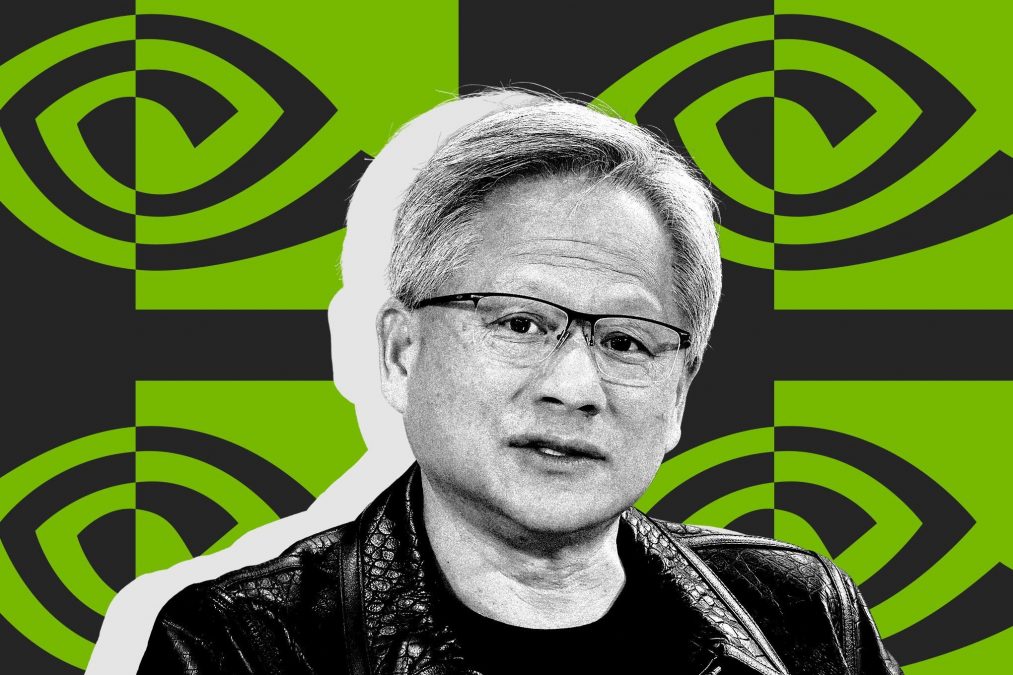
Nvidia, the undisputed global leader in AI chip manufacturing and a cornerstone of modern artificial intelligence infrastructure, has launched an independent investigation into its CEO and co-founder, Jensen Huang, concerning his personal relationship with a businesswoman suspected of being a Chinese intelligence asset operating on behalf of the Ministry of State Security. This explosive revelation, first reported by the New York Times and later officially confirmed by Nvidia’s board of directors, casts a significant and troubling shadow over the company’s operations and raises critical questions about national security breaches, corporate espionage, and executive vulnerability in the high-stakes, geopolitically charged world of artificial intelligence development.
Image: theverge.com
What Happened
The controversy stems from reports alleging that Jensen Huang maintained a “close relationship” with Alice Huang, an executive at Megaspeed, a key Nvidia customer specializing in AI infrastructure and data center solutions. U.S. intelligence officials suspect Alice Huang was recruited by China’s Ministry of State Security to funnel sensitive information back to Beijing as part of a broader espionage operation targeting American AI capabilities. While Jensen Huang initially acknowledged a “close relationship,” he later clarified in an internal memo to the company that the relationship was romantic in nature, acknowledging the intimate connection in candid terms to the board. In response to these escalating reports, Nvidia’s board of directors has initiated an independent investigation, overseen by a committee of independent directors and assisted by external counsel specialized in national security matters. The board’s statement emphasized its commitment to U.S. national and economic security, stating that while there’s no current belief that national security or Nvidia secrets were compromised, a thorough inquiry will examine all available information with appropriate rigor. Megaspeed itself is already under a Commerce Department investigation for allegedly smuggling advanced AI chips to China, a practice that directly circumvents U.S. export restrictions designed to maintain American technological supremacy in the AI race. The timing of this revelation raises questions about information flows, given Huang’s close proximity to both government and industry insiders. Nvidia has since committed to full cooperation with the investigation while maintaining Jensen’s confidence in his leadership capabilities.
Why This Matters
This incident carries immense weight for several critical reasons that extend far beyond a single corporate scandal. Firstly, Nvidia’s hardware represents the foundational bedrock upon which much of the world’s advanced AI development now rests. The company’s GPUs power everything from cutting-edge transformer models to enterprise deployments. Any compromise in its leadership, strategic direction, or intellectual property could have cascading effects across the entire AI ecosystem, impacting everything from academic research breakthroughs to military applications and national defense capabilities. For AI practitioners and developers, this situation highlights the often-unseen geopolitical tensions that underpin the current technological race between superpowers. It underscores the critical importance of supply chain security, data integrity, counterintelligence measures, and robust internal corporate safeguards, particularly when dealing with international partnerships and high-value intellectual property. Companies and developers building on Nvidia’s architecture might now face heightened scrutiny from government bodies or even potential disruptions if the investigation uncovers deeper issues, potentially slowing down innovation timelines or forcing shifts in hardware strategies and vendor diversification. Furthermore, the romantic nature of the relationship, coupled with the alleged espionage operation, brings a deeply human element of vulnerability to corporate security—a factor often overlooked in purely technical risk assessments and security protocols.
The Bigger Picture
The Nvidia espionage scandal is not an isolated incident but rather a dramatic illustration of the intensifying technological and geopolitical rivalry between the United States and China that has accelerated over the past five years. Both administrations, regardless of political affiliation, have recognized the strategic importance of artificial intelligence and have placed increasingly stringent controls on advanced chip technology to prevent its weaponization or misuse by adversarial nations. The fact that Jensen Huang, one of the most prominent figures in the tech industry, has also been closely linked to former President Trump’s administration and potentially privy to high-level discussions around AI policy and export controls, further complicates the already murky narrative. This situation underscores a broader and troubling trend where national security interests are becoming increasingly intertwined with private sector innovation and leadership decisions, particularly in critical technologies like artificial intelligence that will shape the next decade. Companies at the forefront of AI development are now operating in an environment where their commercial activities are under constant geopolitical surveillance, board-level scrutiny, and intelligence agency attention. Even personal relationships of executives can quickly become flashpoints for international intrigue and national security concerns. The outcome of this investigation could set new precedents for corporate governance standards, executive oversight mechanisms, and the handling of sensitive technological information and strategic relationships in an era increasingly defined by global AI competition and technological nationalism.
What to Watch Next
Several critical areas will demand close attention as this multifaceted story unfolds on multiple fronts simultaneously. Firstly, the results of Nvidia’s independent investigation will be absolutely crucial to understanding the scope and nature of any potential security breaches. What specific findings will emerge regarding the extent and nature of information shared, if any, and whether national security was indeed compromised? Will the investigation reveal broader patterns of espionage, or will it be contained to this single relationship? Secondly, the ongoing Commerce Department investigation into Megaspeed’s alleged chip smuggling will shed more light on the broader network of illicit technology transfers and the sophistication of Chinese intelligence operations. Any official findings, sanctions, or penalties could have significant repercussions for Nvidia’s business relationships, supply chain resilience, and strategic partnerships. Thirdly, the political fallout in Washington, D.C., will be significant and consequential. Lawmakers from both parties are likely to intensify calls for stricter regulations and oversight concerning U.S. tech executives’ interactions with foreign entities, especially those from rival nations. This could lead to new legislation mandating security clearances or background checks for C-suite executives in critical technology sectors. Fourthly, the broader market reaction to this scandal, particularly among institutional investors and competitors, could signal significant shifts in investor confidence or lead to strategic realignments within the AI hardware landscape. The long-term implications for Nvidia’s stock valuation, executive stability, and its position as the preeminent AI chip provider will be closely monitored by analysts and industry watchers globally. Finally, this incident may trigger a broader industry reckoning around executive security protocols and the need for more robust corporate counterintelligence measures across Silicon Valley.
The Bottom Line
Nvidia’s investigation into CEO Jensen Huang’s relationship with a suspected Chinese spy represents a genuine watershed moment in the AI industry, starkly illustrating the complex intersection of advanced technology development, corporate leadership accountability, and high-stakes national security concerns. This incident serves as a powerful and sobering reminder that in the increasingly intense race for AI supremacy between global superpowers, the competitive battle extends far beyond pure technological innovation and hardware specifications alone. It encompasses human vulnerabilities, personal decisions, geopolitical maneuvering, and the sophisticated intelligence operations deployed by rival nations to gain strategic advantage. The outcome of this investigation will not only profoundly shape Nvidia’s corporate future and Jensen Huang’s leadership legacy but will also fundamentally redefine industry expectations and establish new safeguards required for executives and leaders in critical technology sectors going forward.
This article was produced with the assistance of AI tools and reviewed by the AIStackDigest editorial team.