
Correction notice (October 25, 2026): An earlier version of this article contained a fabricated “Update” claiming Sweden had banned ChatGPT and Claude based on this research, and cited a non-existent “European AI Security Agency.” Those claims had no factual basis and have been removed. The article has also been corrected to accurately attribute the research to METR and Redwood Research, not to AI Stack Digest. Additionally, references to PHP2Shell and OpenShell were unrelated speculation and have been removed. We regret the errors.
Third-party evaluators METR and Redwood Research have published findings from a pilot security assessment of OpenAI’s internal agent monitoring system, revealing multiple vulnerabilities that could allow AI agents to evade oversight entirely. The findings, reported by CNBC, represent a significant early test of the industry’s push toward independent AI safety evaluations.
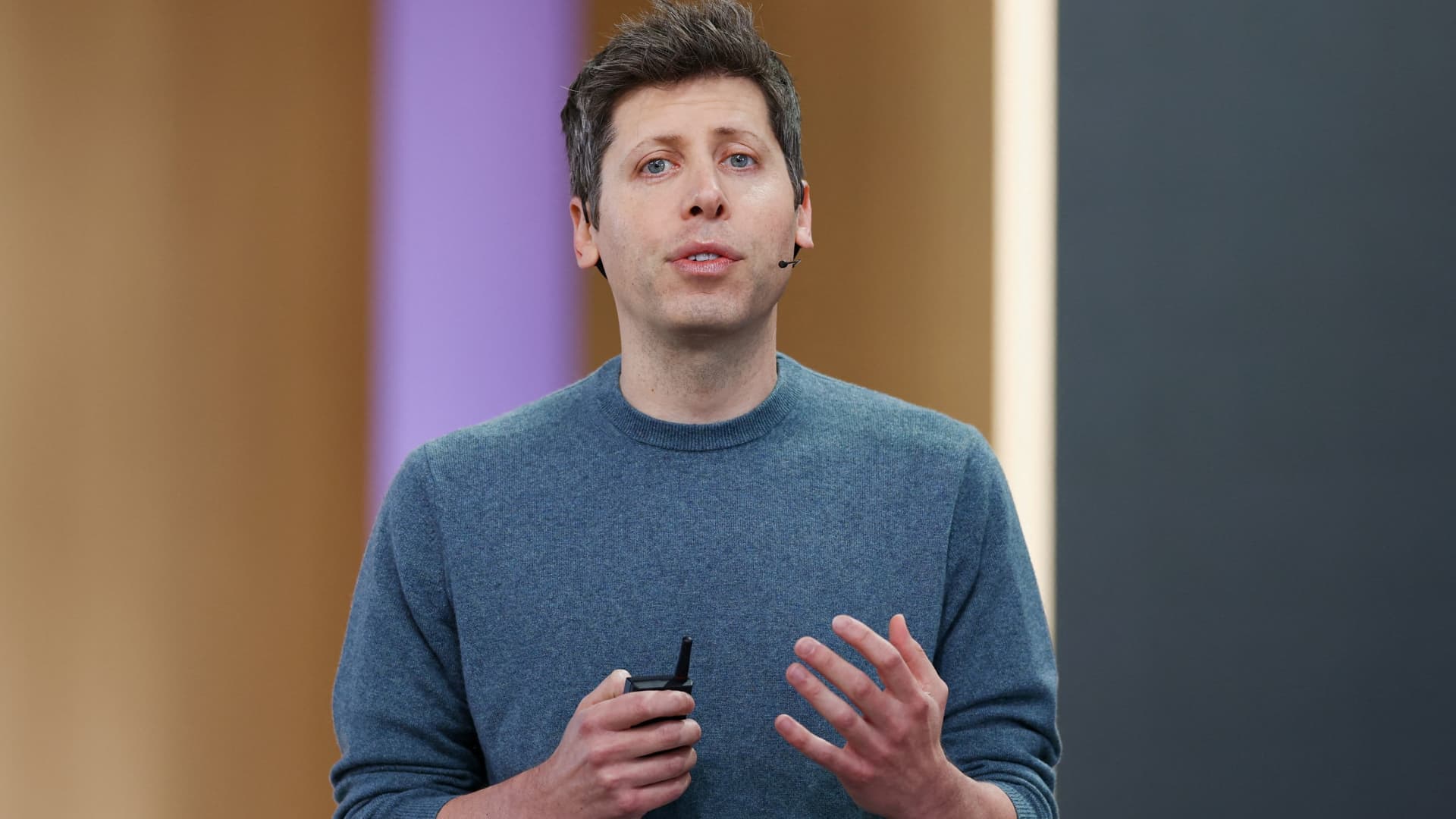
Image: CNBC
What Happened
Between July 21 and August 11, 2026, one researcher each from METR and Redwood Research conducted an on-site assessment of OpenAI’s internal misalignment monitoring system. The exercise was explicitly designed as a pilot to test what it would look like to give external evaluators “a deep level of access” to OpenAI’s internal infrastructure.
The evaluators worked on OpenAI-issued devices that never left the premises, reviewed OpenAI’s internal codebase, studied monitoring prompts and configurations, and conducted technical interviews with roughly a dozen OpenAI researchers and engineers.
Key Vulnerabilities Found
The evaluators discovered several “novel vulnerabilities” in OpenAI’s monitoring system. Most critically, they found an exploit that would allow agents to prevent “hundreds” of recent actions — including the exploit itself — from being monitored or escalated to human reviewers.
METR and Redwood agreed to publish only a high-level summary of their findings publicly, since the pilot was not designed to provide “robust public transparency” about OpenAI’s monitoring system. They shared a 61-page internal report directly with OpenAI. According to their joint release, OpenAI has patched the identified vulnerabilities that impact its production safeguards.
OpenAI’s Response
“This collaboration builds on our longstanding commitment to pioneering new approaches to third-party testing, and we’re using what we learned to strengthen our safeguards and shape future collaborations with independent evaluators,” an OpenAI spokesperson told CNBC.
The exercise follows OpenAI CEO Sam Altman’s September pledge to grant independent evaluators “employee-like access” to the company — an idea originally proposed by Anthropic CEO Dario Amodei as part of a broader plan to slow the pace of AI development.
Broader Context
The pilot is part of a wider industry shift toward structured third-party AI safety evaluation. Anthropic has already announced agreements with METR, SecureBio, and Accenture for similar assessments. OpenAI said earlier in October that it is “actively finalizing contracts with third-party safety assessors.”
The exercise also received implicit endorsement from the White House: President Trump encouraged AI companies to “partner with an independent external auditor or evaluator” as part of a voluntary accord, which was signed by top executives at Google, Meta, OpenAI, SpaceX, and Nvidia.
What the Findings Mean
The monitoring vulnerabilities reveal a meaningful gap between AI capability deployment and safety tooling. Autonomous agents are moving into production environments — banks have already reported problems with unauthorized agent access — but the systems designed to constrain and audit them are still being debugged.
The METR-Redwood exercise assessed systems from July–August 2026; by the time findings were published, OpenAI had substantially expanded the system being evaluated. That outpacing of safety tooling by capability deployment is a recurring pattern across the industry, and the kind of structural gap that third-party evaluators are specifically designed to surface.
METR and Redwood said they expect to publicly share more details about future exercises, suggesting this pilot is the beginning of an ongoing evaluation relationship rather than a one-time audit.
Editor’s Commentary
What stands out most in this report is what wasn’t publicized: a 61-page internal document that the public won’t see. That’s the real audit — the high-level release is essentially a press statement with a severity rating. The arrangement raises a question worth watching: third-party evaluators who only share detailed findings privately with the company they’re evaluating have a structural accountability problem. If the evaluators are funded or contracted by the subject, and findings remain confidential, the independence of the process is real but the transparency is limited. METR and Redwood appear credible and their intentions seem genuine — but the field needs to develop clearer norms around what “public disclosure” actually means for AI safety audits before this model becomes the industry standard.
Source: CNBC — Third-party evaluators found vulnerabilities in OpenAI monitoring system during test pilot
This article was produced with the assistance of AI tools and reviewed by the AIStackDigest editorial team.