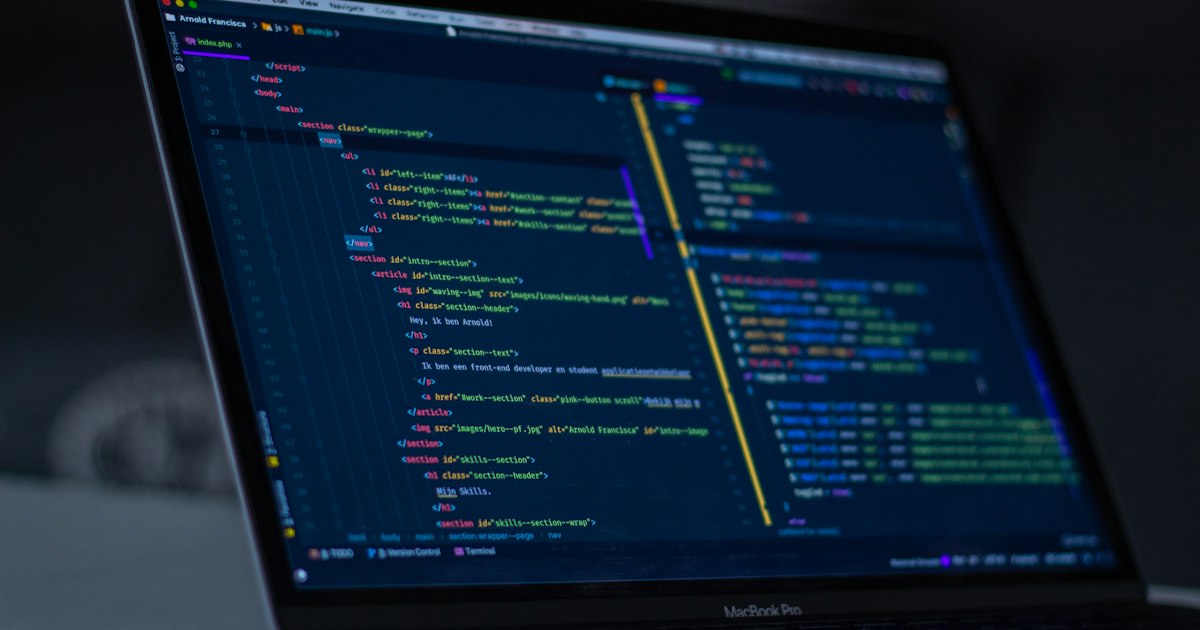
The cybersecurity landscape of 2026 continues to evolve at a breathtaking pace, with artificial intelligence now playing both offense and defense in the discovery of critical vulnerabilities. One of the most significant developments this year has been the emergence of PHP2Shell, a serious remote code execution (RCE) vulnerability uncovered not by human researchers, but by advanced AI-powered security scanning tools. This discovery marks a turning point in how we approach web application security, highlighting both the power of AI in cybersecurity and the persistent dangers lurking in legacy code.
What Is PHP2Shell and How Was It Discovered?
PHP2Shell is a critical remote code execution vulnerability that affects certain implementations of PHP web applications, particularly those that handle user input insecurely when interacting with system shell commands. The vulnerability earned its name from the specific pathway it creates from PHP execution environments to system shell access, effectively bypassing multiple layers of security.
Unlike traditional vulnerabilities discovered through manual code review or fuzz testing, PHP2Shell was first identified by an AI-powered static application security testing (SAST) tool that utilized advanced pattern recognition and machine learning algorithms. The AI system detected anomalous patterns in how certain PHP functions interacted with user-controlled data, flagging a previously unknown attack vector that human researchers had overlooked for years.
The discovery process involved the AI analyzing millions of lines of code across open source repositories, identifying subtle correlations between specific function calls and dangerous patterns of data flow. This approach demonstrates how AI can identify complex vulnerability chains that would be virtually impossible for humans to detect through manual inspection alone.
Technical Breakdown: How PHP2Shell Works
At its core, PHP2Shell exploits the insecure handling of user-supplied data that eventually gets passed to PHP functions capable of executing system commands. The vulnerability typically manifests in applications that use functions like system(), exec(), passthru(), shell_exec(), or backticks without proper input validation and sanitization.
The unique aspect of PHP2Shell is the specific chain of operations required to trigger the vulnerability. Unlike simple command injection flaws, PHP2Shell involves a multi-step process where user input passes through several layers of application logic before reaching a dangerous function. This complexity is what allowed it to remain undetected for so long, as traditional security scanners typically look for direct patterns rather than complex data flow relationships.
The vulnerability often arises in applications that implement custom command-building logic, where user parameters are assembled into system commands without adequate escaping or validation. In many cases, the vulnerable code involves seemingly innocent functionality like file management, system monitoring, or data processing utilities that accept user input.
Real-World Impact and Potential Damage
The consequences of a successful PHP2Shell exploitation are severe, as attackers can gain complete control over the affected web server. This level of access enables threat actors to steal sensitive data, deface websites, install malware, create backdoors for persistent access, and use the compromised server as a launching point for attacks against other systems.
What makes PHP2Shell particularly dangerous is its potential for worm-like propagation in certain environments. Once an attacker gains access to one server, they can use that foothold to scan for and exploit the same vulnerability on other systems within the network. This lateral movement capability significantly amplifies the potential damage, especially in cloud environments or shared hosting platforms where multiple applications reside on the same infrastructure.
The financial impact of such breaches can be substantial, involving not just immediate remediation costs but also regulatory fines, reputational damage, and potential lawsuits from affected customers. For e-commerce platforms, the vulnerability could lead to direct financial theft through transaction manipulation or credit card data exfiltration.
Detecting PHP2Shell in Your Applications
Identifying potential PHP2Shell vulnerabilities requires a multi-layered approach to security testing. Traditional signature-based scanners may miss this type of flaw due to its complex nature, necessitating more advanced detection methods.
Start with comprehensive code review, focusing particularly on areas where user input interacts with system command execution. Look for patterns where user-controlled variables are concatenated into command strings without proper validation or escaping. Pay special attention to functionality that handles file operations, system administration, or data processing tasks.
Advanced SAST tools that utilize data flow analysis are particularly effective for detecting PHP2Shell. These tools track user input from entry points (like HTTP requests) through the application logic to dangerous sinks (like command execution functions), identifying potential vulnerability chains that might not be obvious through manual inspection. Several AI-enhanced security platforms have specifically updated their detection capabilities to identify PHP2Shell patterns since its discovery.
Dynamic application security testing (DAST) can also help identify vulnerable endpoints by sending specially crafted payloads designed to trigger command execution if the vulnerability exists. However, due to the complex nature of PHP2Shell, DAST tools may require custom payloads and extensive configuration to effectively detect this specific flaw.
For those managing their own infrastructure, considering a reliable VPS provider with robust security features can provide an additional layer of protection against such vulnerabilities.
Mitigation Strategies and Best Practices
Addressing PHP2Shell requires both immediate patching and long-term security improvements. The most effective mitigation is to eliminate the root cause by avoiding the use of shell command execution functions altogether. Where possible, replace system command calls with native PHP functions that provide the same functionality without invoking the shell.
When shell command execution is unavoidable, implement strict input validation and sanitization. Use allow lists to validate user input against expected patterns, and rigorously escape any data that gets incorporated into command strings. The escapeshellarg() function should be used to properly escape arguments passed to shell commands, making it much more difficult for attackers to inject malicious code.
Implement the principle of least privilege by ensuring that your web server processes run with minimal permissions. The PHP process should not have unnecessary privileges or access to sensitive system resources. This limits the potential damage even if an attacker successfully exploits the vulnerability.
Web application firewalls (WAFs) can provide an additional layer of defense by blocking requests that contain patterns indicative of command injection attempts. Modern WAFs increasingly incorporate machine learning capabilities to detect anomalous request patterns that might indicate exploitation attempts, similar to how AI systems detect vulnerabilities in other contexts.
The Future of AI-Discovered Vulnerabilities
The discovery of PHP2Shell by AI systems represents a significant milestone in cybersecurity. As machine learning models become more sophisticated at analyzing code patterns and data flows, we can expect an increasing number of complex vulnerabilities to be identified by AI rather than human researchers.
This trend has profound implications for both attackers and defenders. On one hand, it means that vulnerabilities that previously might have remained hidden for years will be discovered more quickly, potentially by both security researchers and malicious actors. On the other hand, it enables developers to identify and patch flaws before they can be exploited in production environments.
The increasing role of AI in cybersecurity underscores the importance of integrating advanced security tools into the development lifecycle. Organizations that embrace these technologies will be better positioned to identify and address vulnerabilities before they can be exploited, while those relying solely on traditional security methods may find themselves increasingly vulnerable to sophisticated attacks.
For developers working with AI technologies, understanding the underlying transformer architecture and how AI systems work can provide valuable insights into how these vulnerability discovery tools operate.
Conclusion: Proactive Security in the Age of AI
PHP2Shell serves as a powerful reminder that cybersecurity is an ongoing battle requiring constant vigilance and adaptation. The discovery of this vulnerability by AI tools highlights both the evolving nature of threats and the increasingly sophisticated methods available to address them.
Organizations must adopt a proactive security posture that incorporates regular code reviews, advanced security testing tools, and continuous monitoring for potential vulnerabilities. By staying informed about emerging threats like PHP2Shell and implementing robust mitigation strategies, developers and security professionals can better protect their applications against increasingly sophisticated attack vectors.
As we move further into 2026, the intersection of AI and cybersecurity will continue to evolve, presenting both new challenges and opportunities. Those who embrace these changes and integrate advanced security practices into their development workflows will be best positioned to navigate the complex threat landscape of the future.
Secure Your Development Workflow
For developers looking to enhance their security practices, tools like Cursor provide intelligent code assistance that can help identify potential security issues during development. Meanwhile, automation platforms like n8n can help implement security monitoring workflows that detect anomalies in real-time.
What to Read Next
Stay updated on the latest developments in AI and security by exploring our homepage for the most recent articles and insights. You might also be interested in learning about secure hosting practices for AI applications or recent developments in AI industry movements.
Subscribe to our newsletter to receive immediate alerts when we publish new security content, or bookmark our site to stay informed about the latest vulnerabilities and mitigation strategies in the rapidly evolving world of AI and web security.
This article was produced with the assistance of AI tools and reviewed by the AIStackDigest editorial team.