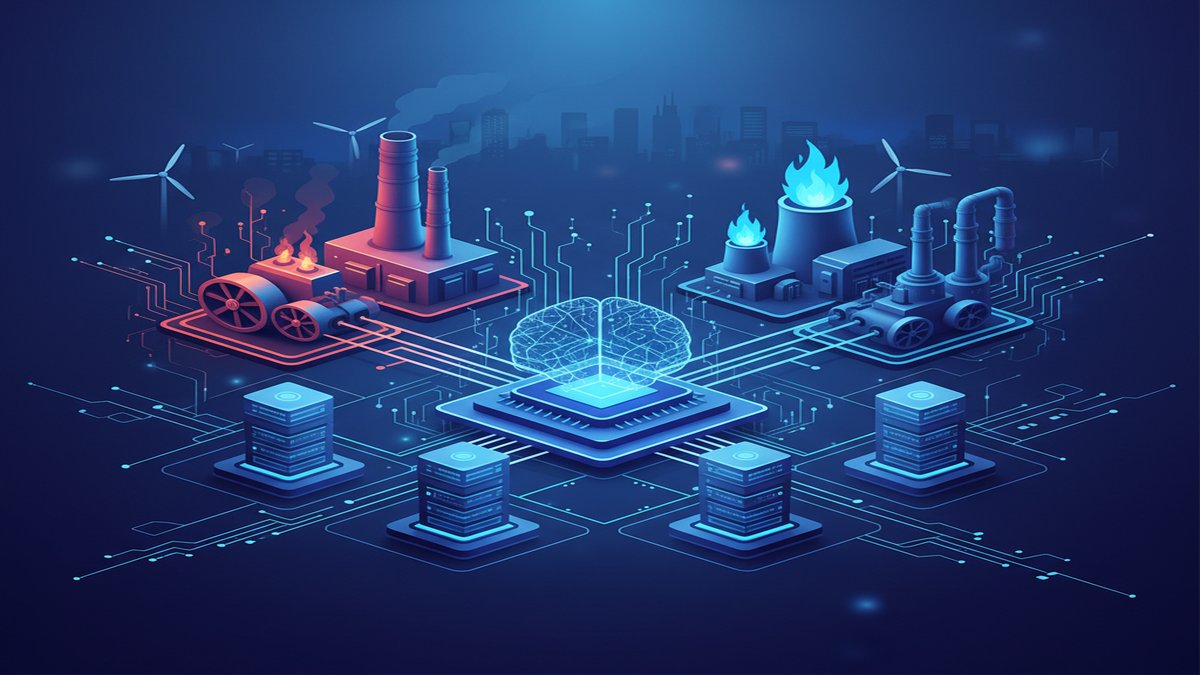
The voracious energy appetite of artificial intelligence is one of the most critical and often overlooked conversations in tech. As models grow larger and more capable, the electricity required to train and run them scales at a staggering rate. In 2026, the industry is grappling with the tangible consequences of this growth, and leading AI labs like Anthropic are at the forefront of both the problem and the search for solutions. The company’s projected power mix for its data centers by 2028 reveals a complex, pragmatic, and sometimes controversial balancing act between the breakneck pace of AI development and the pressing need for environmental sustainability.
The Unavoidable Math of AI Compute
To understand why a company like Anthropic must plan its energy consumption years in advance, one must first appreciate the sheer computational scale of modern AI. Training a single state-of-the-art large language model is an endeavor that consumes megawatts of power, equivalent to the annual electricity use of thousands of homes. This is not a one-time cost; inference—the process of generating answers from a trained model—adds a continuous and growing energy load as more users interact with AI systems. This creates a fundamental tension: the pursuit of Artificial General Intelligence (AGI), which Anthropic cites as its mission, is inherently energy-intensive.
The hardware itself, particularly the advanced GPUs from companies like Nvidia, are power-hungry components that require massive data centers to house them. These facilities need not only electricity for computation but also for the critical supporting infrastructure: powerful cooling systems to manage the immense heat output. The total energy footprint is therefore a multiplier of the raw compute power.
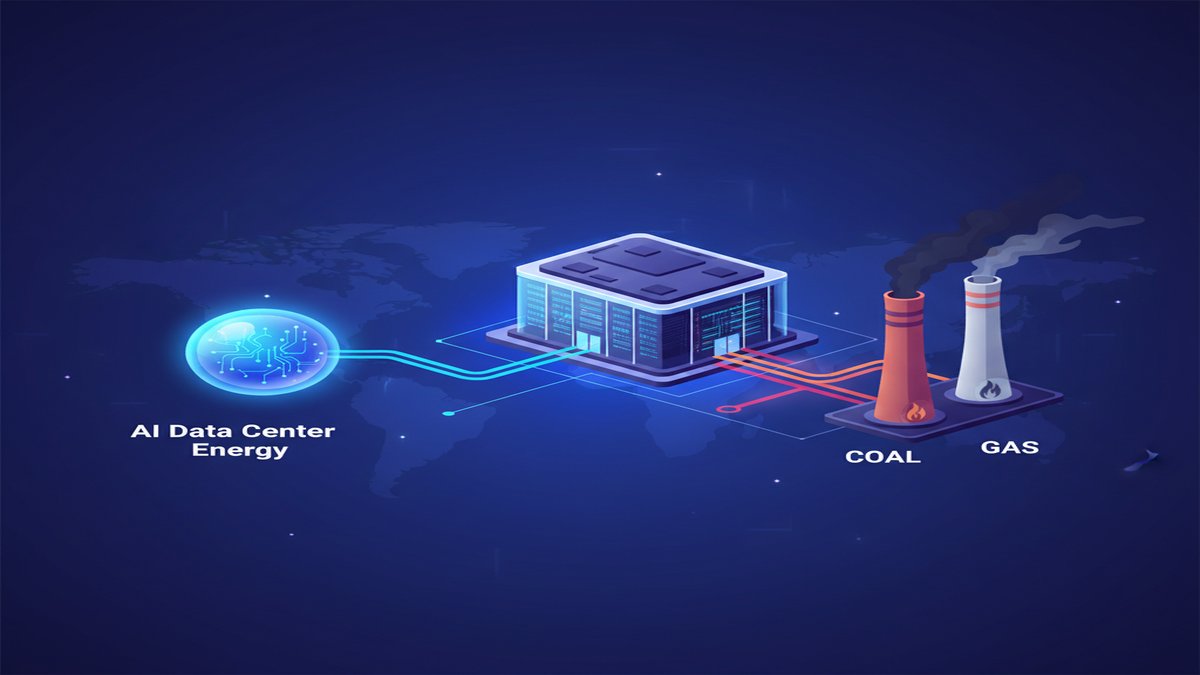
Image: AI-generated
Breaking Down the 2028 Power Mix
Anthropic’s approach to its future energy needs is not based on a single silver bullet but rather a diversified portfolio. This strategy acknowledges the current limitations of green energy infrastructure and the need for grid reliability.
A significant portion of Anthropic’s projected energy supply is expected to come from natural gas. While still a fossil fuel, natural gas is often framed as a ‘bridge’ energy source. It is less carbon-intensive than coal and can provide reliable, baseload power that is not subject to the intermittency of solar or wind. For a data center that must operate 24/7 without interruption, this reliability is non-negotiable. The use of gas likely involves Power Purchase Agreements (PPAs) with energy providers, allowing Anthropic to secure a stable, long-term supply of power for its critical operations.
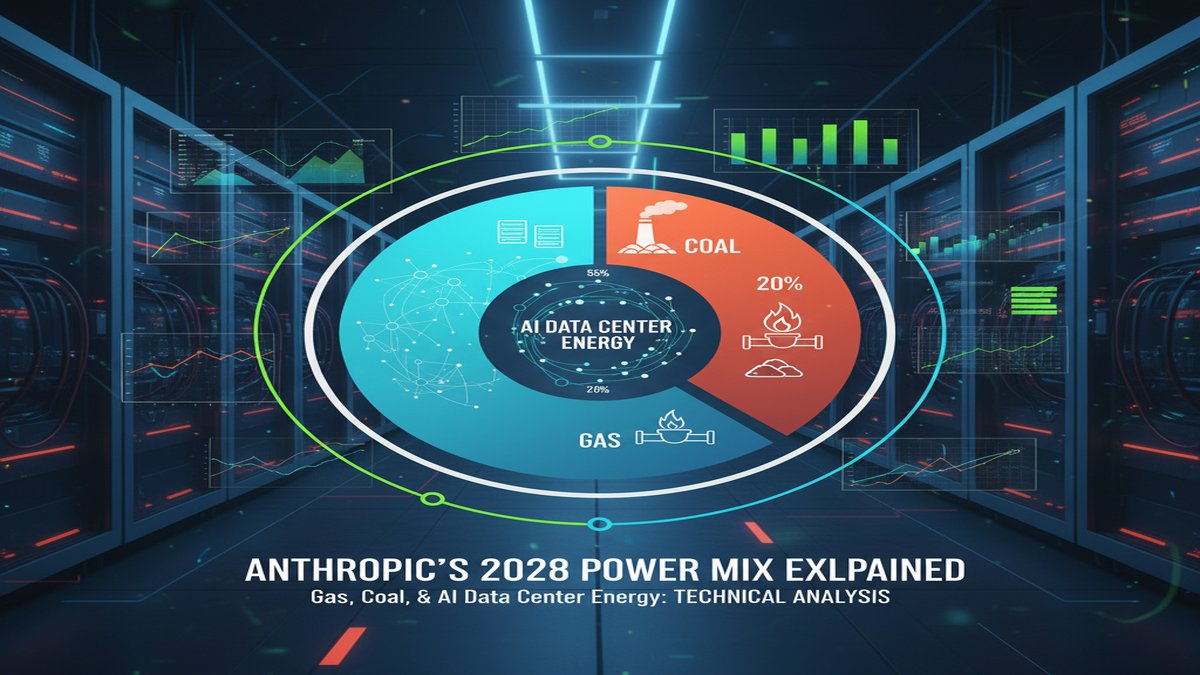
Image: AI-generated
Perhaps the most contentious element in the mix is a residual reliance on coal-powered energy. It is important to note that this may not be a direct choice but a reflection of grid reality. In many regions, especially where data center hubs are located, the local electrical grid is still partially fed by coal-fired power plants. When an AI company plugs into the grid, it draws power from the overall mix available. While Anthropic actively pursues renewable energy credits and offsets to mitigate this, its operations in certain geographies inevitably contribute to demand that is met, in part, by coal. This highlights a critical challenge for the entire tech industry: the energy transition of the grid itself.
The cornerstone of Anthropic’s sustainability pledge is a major investment in and procurement of renewable energy sources. This includes direct investments in solar and wind farm projects, often through PPAs that guarantee the company a portion of the farm’s output for years. These agreements are crucial as they help fund the construction of new renewable infrastructure, effectively adding more green energy to the overall grid. The goal is to match 100% of its electricity consumption with renewable energy purchases on an annual basis, a common industry target known as ‘100% renewable matching’.
The Challenges of a 24/7 Green Grid
The concept of ‘100% renewable matching’, however, comes with a significant caveat. A company can purchase enough renewable energy credits to cover its annual usage, but this does not mean the electrons powering its servers every minute of every day are from renewable sources. Solar power generation drops at night; wind power can be intermittent. During these gaps, the data center draws power from the grid’s available mix, which includes fossil fuels.
The next frontier, which Anthropic and others are exploring, is achieving ’24/7 carbon-free energy’. This means matching energy consumption with carbon-free sources on an hourly basis, a far more difficult task that requires a combination of breakthroughs in energy storage (like grid-scale batteries), advanced nuclear power, and a much more resilient and modernized grid. This is a long-term goal that extends well beyond 2028.
Broader Industry Context and Ethical Considerations
Anthropic is not alone in facing this dilemma. Every major player in the AI space, from Google and Microsoft to OpenAI, is dealing with the same exponential growth in energy demand. The industry-wide scramble for computational resources has shined a spotlight on the energy sector, forcing a conversation about the environmental cost of digital progress. This comes amid wider ethical debates in tech, such as the concerns raised by Google workers about AI ethics.
The focus on energy also intersects with the pursuit of efficiency. Hardware manufacturers are in a race to design more efficient chips that deliver more computations per watt of energy. Innovations like AI-designed CPU architectures promise significant gains in performance per watt, which could help mitigate the energy curve. Software optimizations and model compression techniques also play a key role in reducing the inference cost of AI models.
For developers and companies building on top of these large models, considering the energy footprint of their applications is becoming part of responsible development. Choosing efficient models and optimizing queries can reduce downstream energy use. Platforms like OpenRouter provide access to a wide range of models, allowing developers to select options that balance capability with efficiency for their specific use case.
Conclusion: A Necessary and Evolving Balance
Anthropic’s 2028 power mix is a snapshot of a company—and an industry—in transition. It is a pragmatic blend of the reliable energy sources needed today and ambitious investments in the clean energy infrastructure required for tomorrow. It underscores a hard truth: the path to advanced AI is currently paved with significant energy consumption, and the grid that supplies that energy is still evolving away from fossil fuels.
The responsibility therefore lies with AI labs to be transparent about their footprint, to aggressively invest in and lobby for grid modernization and green energy, and to relentlessly pursue efficiency gains at the hardware and software levels. The choices made by industry leaders in the coming years will not only shape the future of AI but will also have a profound impact on our global energy landscape.
For those interested in reducing their own computational footprint, exploring locally run models can be an option. Guides on running models locally provide a path to leveraging AI with greater control over the energy source.
Ready to Build Efficient AI Workflows?
Automate your AI-powered tasks and integrate models efficiently with n8n, a powerful workflow automation platform. Design complex automations that connect the AI tools you use every day.
What to Read Next
Stay informed on the latest developments in AI infrastructure and ethics. Explore more articles on AI Stack Digest, including our look at the latest model benchmarks and pricing. Bookmark our site and subscribe to our newsletter to never miss an update.
This article was produced with the assistance of AI tools and reviewed by the AIStackDigest editorial team.