
Automating Creativity: Essential AI Tools for Content Creators in 2026
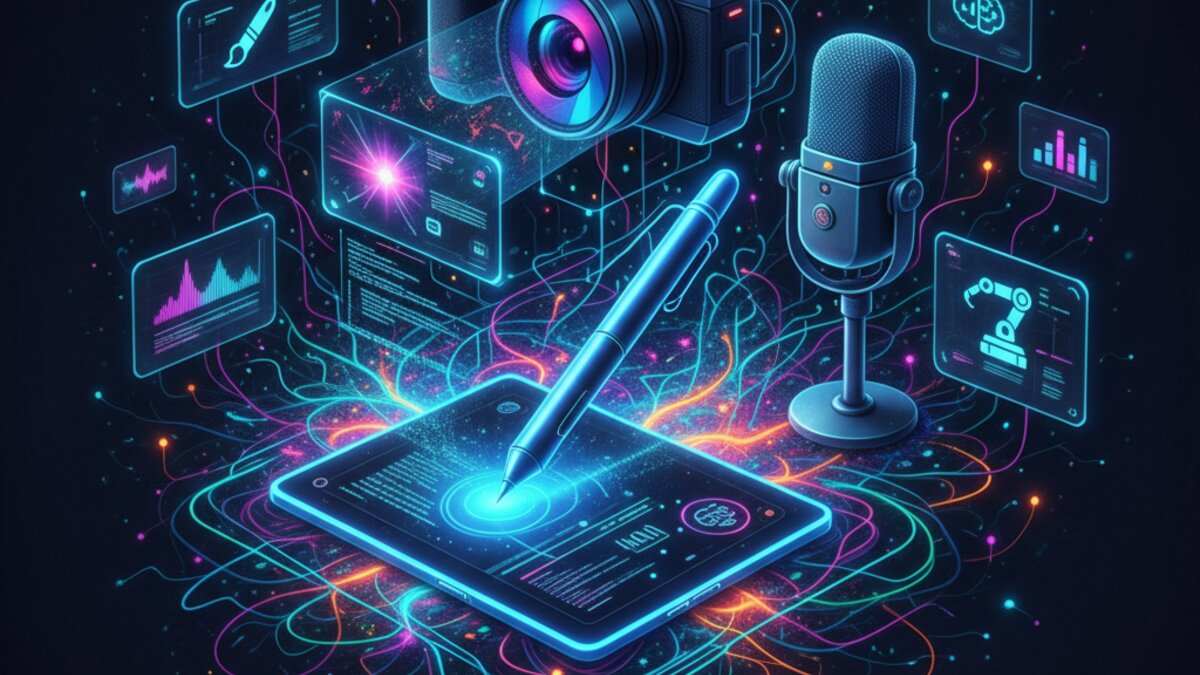
In the rapidly evolving landscape of digital content, artificial intelligence (AI) is no longer a futuristic concept but a vital partner for creators. From generating compelling text to designing stunning visuals and editing immersive videos, AI-powered tools are revolutionizing how we conceive, produce, and distribute content. For content creators—bloggers, marketers, YouTubers, podcasters, and social media managers—understanding and integrating these tools is no longer a luxury but a necessity for staying competitive and efficient. This article delves into the essential AI tools shaping the content creation sphere in 2026, offering insights into their capabilities, benefits, and how to harness their full potential.
The sheer volume of content produced daily demands innovative solutions to maintain quality and consistency without burning out. AI steps in as a powerful assistant, automating repetitive tasks, enhancing creative processes, and providing data-driven insights. Whether you’re a seasoned professional looking to scale your output or a newcomer aiming to professionalize your work, these AI tools can significantly boost your productivity and creative scope. We’ll explore different categories of AI tools, highlighting their unique strengths and demonstrating how they can be woven into a seamless, efficient workflow.
Image: AI-generated
Image: AI-generated
AI-Powered Writing and Copywriting Tools
The written word remains at the core of most content. AI writing assistants have moved far beyond basic sentence generation, now capable of crafting nuanced articles, persuasive sales copy, and engaging social media posts. These tools utilize advanced natural language generation (NLG) models to understand context, tone, and audience, producing human-like text at remarkable speeds.
Key Players and Applications:
- Content Generation: Tools like Jasper (formerly Jarvis) and Copy.ai excel at generating blog post outlines, full articles, marketing copy, and even creative fiction. They often come with templates tailored for various content types, helping creators overcome writer’s block and accelerate initial drafts.
- SEO Optimization: Many AI writing tools integrate or offer add-ons for SEO, suggesting keywords, optimizing readability, and ensuring content is search-engine friendly from the outset. This is crucial for visibility in a crowded digital space.
- Grammar and Style Enhancement: Beyond basic spell-checking, tools like Grammarly and ProWritingAid leverage AI to provide sophisticated suggestions for improving sentence structure, tone, clarity, and overall writing style. These are invaluable for refining drafts and ensuring polished final pieces.
For more technical content or complex automation workflows, platforms like OpenRouter.ai provide flexible access to a wide array of powerful large language models (LLMs), allowing developers and advanced users to build custom content generation pipelines tailored to specific needs. This level of customization can transform static content into dynamic, personalized experiences.
AI for Visual Content Creation
Visuals are paramount in capturing attention. AI has made significant strides in image generation, editing, and video production, democratizing high-quality visual content.
Image Generation and Editing:
- Generative AI Art: Tools like Midjourney, DALL-E 3, and Stable Diffusion allow creators to generate unique images from text prompts. This technology is a game-changer for producing custom graphics, featured images, and artistic elements without needing extensive design skills or stock photo subscriptions.
- Image Enhancement: AI-powered editors can upscale images, remove backgrounds, correct colors, and even generate variations of existing visuals with remarkable precision. Adobe’s suite, for instance, heavily integrates AI features like Content-Aware Fill and Sky Replacement.
Video Production and Editing:
- Automated Video Editing: Platforms like Descript use AI to allow users to edit videos by editing text transcripts. This includes removing filler words, creating jump cuts, and even generating accurate captions automatically.
- AI-Powered Animation: Tools emerging in 2026 are simplifying complex animations, allowing creators to animate characters or objects with minimal input, opening new avenues for explanatory videos and engaging shorts.
Image: AI-generated
AI for Audio and Podcasting
The rise of podcasts and audio content has brought AI into the sound studio. These tools enhance audio quality, automate editing, and even generate voices.
Voice Synthesis and Editing:
- Text-to-Speech (TTS): Advanced TTS engines now produce highly natural-sounding voices, suitable for narrations, audiobooks, and voiceovers. Companies like ElevenLabs offer synthetic voices that are virtually indistinguishable from human speech, complete with emotional inflections.
- Audio Enhancement: Tools like Adobe Podcast’s AI features can clean up audio by removing background noise, echo, and improving speech clarity, making professional-grade audio accessible even in less-than-ideal recording environments.
- Transcription: AI-powered transcription services quickly and accurately convert audio to text, saving countless hours for podcasters and video creators who need show notes or captions.
AI for Workflow Automation and Integration
Beyond individual tasks, AI excels at connecting disparate tools and automating entire workflows. This is where the real efficiency gains are found.
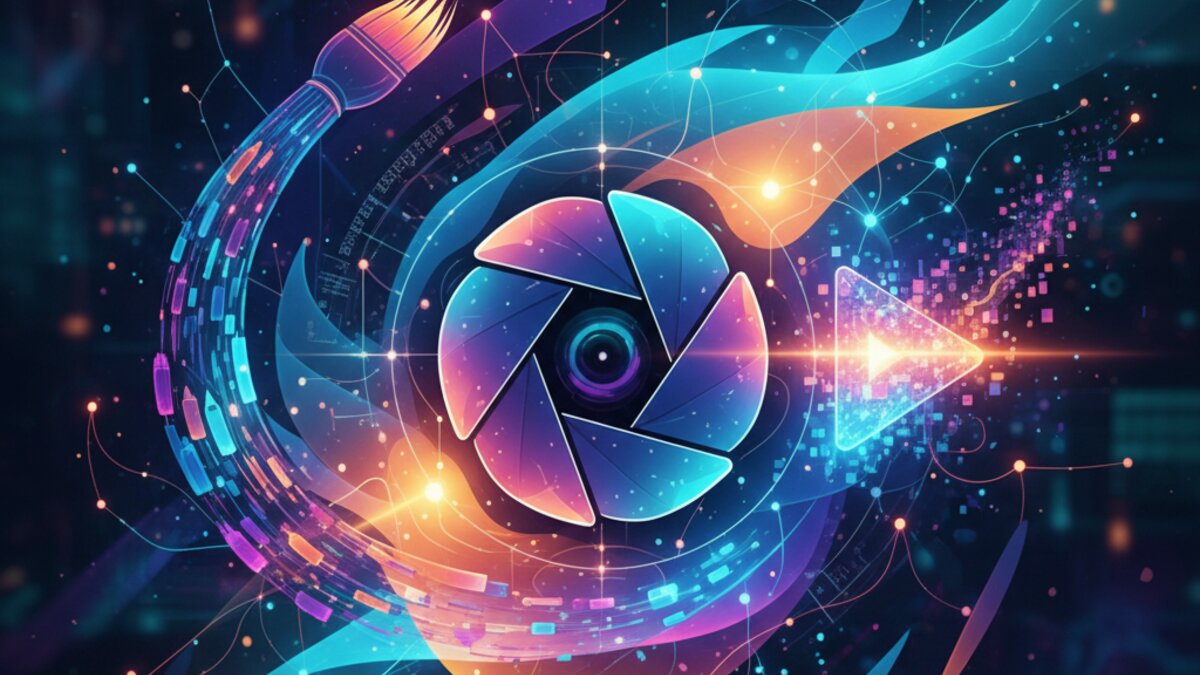
Image: AI-generated
Automation Platforms:
- Integration Tools: Platforms like Make.com (formerly Integromat) and n8n.io are becoming indispensable. They allow creators to build complex automated workflows linking various AI tools with content management systems, social media platforms, and data analytics dashboards. Imagine an AI generating a blog post, an image generator creating a featured image, and an automation platform scheduling both to your CMS and social channels—all with minimal human intervention.
- Content Curation and Distribution: AI can monitor trends, identify popular topics, and even curate relevant external content. Once created, AI can assist in optimizing distribution schedules across multiple platforms to maximize reach and engagement. This capability is supported by advanced analytical tools, which measure performance and suggest improvements dynamically.
Emerging Trends and What’s Next
The pace of AI innovation shows no signs of slowing down. As we look further into 2026 and beyond, several trends are poised to further reshape content creation:
- Hyper-Personalization: AI will enable content to be dynamically adapted to individual user preferences on a massive scale, moving beyond simple recommendations to truly unique viewing or reading experiences.
- Multimodal AI: Tools capable of seamlessly integrating text, image, audio, and video generation and understanding will become more commonplace, blurring the lines between different content forms and opening doors to entirely new creative formats.
- Ethical AI and Attribution: As AI-generated content becomes indistinguishable from human-created work, the focus will intensify on clear attribution, ethical guidelines, and ensuring creators maintain ownership and control over their work. Tools will likely emerge to help watermark or tag AI content transparently.
Conclusion
For content creators, 2026 marks a pivotal era where AI tools are not just supplementary but foundational to success. By embracing these advancements, creators can automate tedious tasks, unlock new creative potentials, and scale their impact like never before. The key is to view AI not as a replacement for human creativity, but as a powerful amplifier. Experiment with different tools, integrate them thoughtfully into your workflow, and stay attuned to the rapid developments in the field. The future of content creation is collaborative—between humans and intelligent machines—and those who master this collaboration will lead the way.
Further Reading:
- TechCrunch: AI Content Creation News – Stay updated with the latest in AI for creative industries.
- Forbes: Artificial Intelligence Section – Broader perspectives on AI’s impact across various sectors, including media.
Source: YouTube
Image: AI-generated
In 2026, the true power for content creators lies in moving beyond individual AI tools and orchestrating AI agent workflows. These autonomous systems can handle the entire content lifecycle—from initial topic research and keyword clustering, to drafting with tailored brand voice, generating complementary visual assets, and even scheduling for optimal publication. By connecting specialized AI agents (like a research agent, a writing agent, and a multimedia agent) through platforms like CrewAI or AutoGen, creators can build a personal content assembly line that dramatically scales output and consistency.
When evaluating AI content creation tools for your stack, prioritize those with robust API access and interoperability to facilitate these workflows. Look for features like custom template creation, multi-platform formatting, and integrated SEO analysis that allow your AI agents to operate with minimal human intervention. The leading tools of 2026 won’t just assist with writing; they will function as plug-and-play components within your automated, end-to-end content creation system, freeing you to focus on high-level strategy and creative direction.
What to Read Next
- Google Chrome 4GB AI Model Download: How to Disable and Reclaim Space in 2026
- The Ultimate Guide to Advanced Prompting for SEO-Optimized Blog Posts
- Best AI Video-to-Shorts Tools in 2026: Repurpose Long-Form Content Automatically
- Google Chrome AI Model Installation: HackerNews Privacy Debate & How to Disable in 2026
- Browse all AI Stack Digest articles
Bookmark aistackdigest.com for daily AI tools, reviews, and workflow guides.
For content creators building automated video workflows, DomoAI is a strong pick for the video generation and animation layer — it supports text-to-video, image-to-video, and video-to-video workflows, plus a talking avatar tool for faceless channel operators who want consistent on-screen presenters without filming anything.
This article was produced with the assistance of AI tools and reviewed by the AIStackDigest editorial team.