
OpenClaw & AI Agents Expert
OpenAI shut the door on Sora 2 for good on September 24, 2026. The Videos API and all six of its model IDs — sora-2, sora-2-pro, and their dated snapshots — now return a flat error for anyone still pointing traffic at them. There’s no successor model listed, no grace period, and no reverse-engineered workaround left standing after OpenAI tightened its Cloudflare rules earlier this year. If your app, agency, or content pipeline still has v1/videos calls sitting in production, this is the guide to get you unstuck.
What Actually Happened
OpenAI notified developers on March 24, 2026 that the Videos API and every Sora 2 model alias would be retired six months later. The consumer Sora app died first, shutting down on April 26 following reports of a Disney partnership falling through and a Q3 2025 loss north of $12 billion. The API outlived the app by five months, but the writing was on the wall: Sora’s Head of Product had already admitted on X that “the economics are currently completely unsustainable” months before either shutdown landed.
Unlike a typical model deprecation — where OpenAI usually names a direct replacement — the deprecations page lists a dash in the “recommended replacement” column for every Sora 2 entry. This isn’t a version bump you fix by changing a string in an environment variable. The entire job-submission-and-polling shape of the Videos API is gone, so any integration built around it needs a structural rewrite, not a patch.
What It Actually Costs to Switch
Sora 2 billed at $0.10 per second, with Sora 2 Pro running $0.30 to $0.70 depending on resolution. Here’s how the leading replacements stack up per second of generated video:
- Google Veo 3.1 Lite: $0.05 (720p) to $0.08 (1080p) — the cheapest like-for-like option
- Google Veo 3.1 Standard: $0.40 (720p/1080p), $0.60 at 4K — the closest quality match to Sora 2 Pro, and actually cheaper at the top tier
- Runway Gen-4 Turbo: $0.05 per second (5 credits) — matches Sora 2’s base rate almost exactly
- Runway Gen-4.5: $0.12 per second (12 credits) — a small premium for noticeably better fidelity
- ByteDance SeeDance 2.0: roughly $0.30 per second, but it ships with native synchronized audio-video generation, something Sora 2 never had
- Alibaba Wan 2.7: from $0.10 per second, with a 27B MoE architecture, “Thinking Mode” storyboard planning, and dual start/end frame control
The takeaway that surprises most teams: Sora 2 was never actually the cheap option. Veo 3.1 Lite undercuts it, and for teams standardized on Sora 2 Pro at 1080p ($0.70/sec), the shutdown is functionally a cost cut once you move to Veo 3.1 Standard at $0.40.
Picking the Right Replacement by Use Case
Google Veo 3.1 — Best Overall Feature Parity
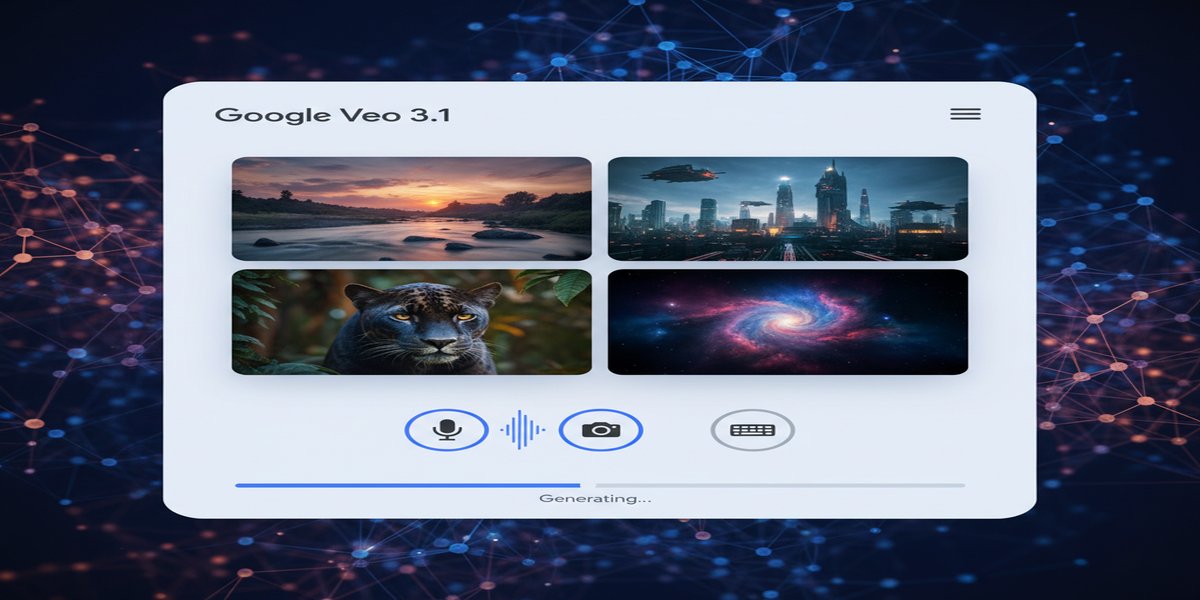
Veo 3.1 on the Gemini API is the closest thing to a drop-in replacement, with native audio, image-to-video, and 4K output on the Standard tier. The catch: it’s still labeled “preview,” generated videos are auto-deleted from Google’s servers after two days, and the older Veo 3.0 models were themselves deprecated in June 2026 — so make sure you’re targeting 3.1, not 3.0.
Runway Gen-4.5 — Best for Multi-Model Flexibility
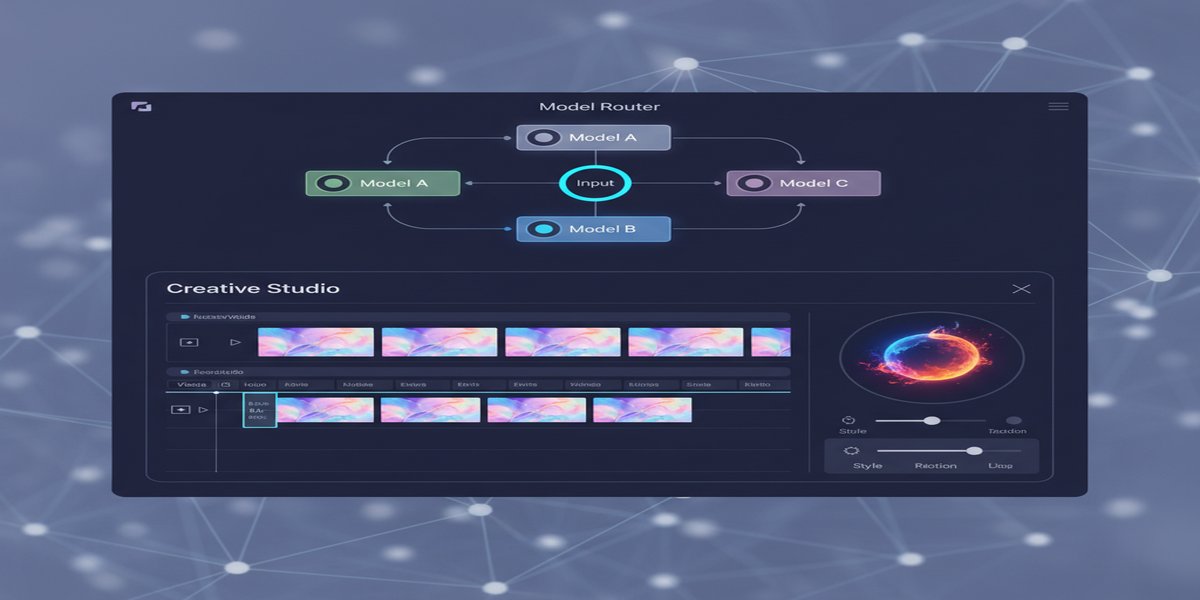
Runway doesn’t run one house model — its API fronts a catalogue that includes its own Gen-4.5 and Gen-4 Turbo alongside resold Veo 3.1 and SeeDance 2.0 access, all billed through one credit system. Its Model Router picks the best model for a request under a price cap you set, and the response tells you exactly which model ran and what it cost. That’s the practical fix for “which vendor deprecates next” anxiety: let the router absorb it.
SeeDance 2.0 and Wan 2.7 — Best for Quality and Control
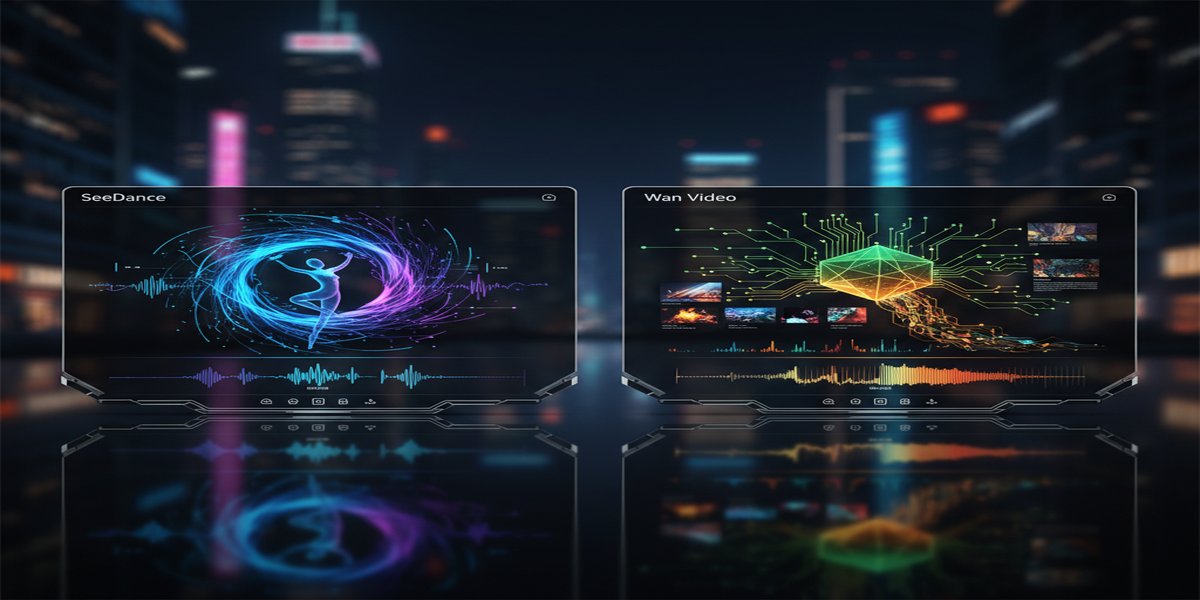
SeeDance 2.0 currently tops the Artificial Analysis video leaderboard with an Elo of 1269, ahead of Veo 3 and Runway Gen-4.5, thanks to a unified architecture that generates audio and video together in one pass instead of layering TTS on afterward. Wan 2.7 counters with something no Western model offers yet: precise start-and-end frame control plus a “Thinking Mode” that plans the shot structure before rendering, which is a genuine advantage for branded intros, outros, and serialized content that needs consistent characters across cuts.
How to Actually Migrate, Step by Step
- Audit every call site. Grep your codebase, notebooks, and scheduled jobs for
v1/videos,sora-2, and the dated snapshots — pinned snapshot IDs are the ones teams forget about. - Split traffic by tier, not by model name. Standard-tier Sora 2 traffic maps to Veo 3.1 Lite or Gen-4 Turbo; Pro-tier traffic maps to Veo 3.1 Standard or Gen-4.5.
- Rebuild the async job loop. Submit, poll, retrieve — every provider handles this differently, and this is where most of your engineering time actually goes.
- Rerun a golden prompt set. Prompts tuned for Sora 2’s physics and camera language don’t transfer cleanly. Build 20-30 representative prompts, generate across candidates, and score outputs before committing spend.
- Keep a kill switch. There’s no partial-degradation window here — the endpoint works until midnight, then returns errors. Run both paths behind a flag until you’re confident in the new one.
Automating the Switch Instead of Hand-Coding It
If your team is juggling more than one video model going forward — which is now the sane default given how fast this market churns — it’s worth routing requests through a unified layer rather than hardcoding a single vendor’s SDK again. For the LLM side of a video pipeline (prompt expansion, storyboard generation, caption writing), OpenRouter lets you swap models with a config change instead of a rewrite, which is exactly the flexibility this shutdown just proved you need. And for stitching the actual generation calls, webhook triggers, and delivery steps into one workflow without babysitting cron jobs, Make.com is a solid way to wire polling, retries, and Slack or email notifications together without writing a custom job queue from scratch.
Bottom Line
Sora 2’s exit is the clearest lesson yet that video generation is too compute-hungry and too strategically volatile to build on a single vendor’s endpoint. Six weeks was OpenAI’s buffer; the smart move now is treating every video model as swappable by design — audit fast, pick a router or aggregation layer, and don’t get caught flat when the next deprecation notice lands.
This article was produced with the assistance of AI tools and reviewed by the AIStackDigest editorial team.