

AI Video & Creative Tools Specialist
The AI video generation landscape shifted dramatically in October 2026 following OpenAI’s sunset of Sora. While Sora’s closure marked the end of an era, it simultaneously opened the floodgates for a new generation of purpose-built video creation platforms. Today’s creators have more options than ever—from cinematic-grade studios like Runway and Kling to accessible all-in-one platforms like DomoAI. This comprehensive guide walks you through the best AI video tools available right now, with detailed comparisons to help you choose the right one for your workflow.
Runway Gen-3: The Cinematic Standard
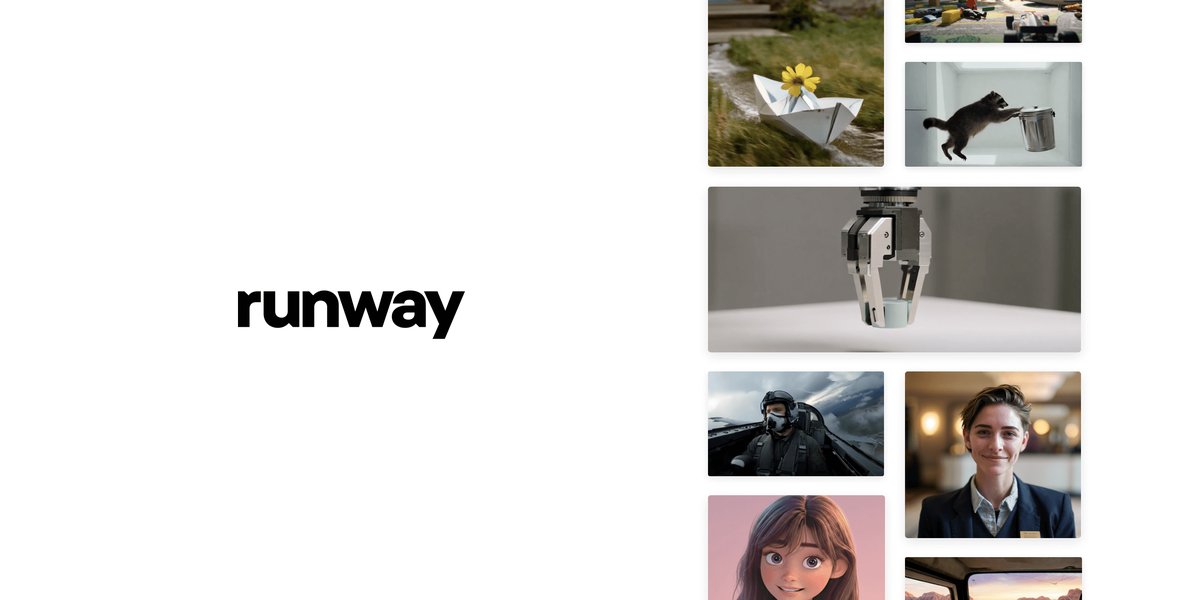
Image: Runway ML

Image: Runway
Runway has established itself as the go-to platform for professional creators and studios seeking enterprise-grade video generation. Gen-3, their latest model iteration, delivers unprecedented control over camera movements, scene composition, and temporal consistency. The platform excels at multi-shot sequences where continuity matters, making it ideal for short films, commercials, and music videos.
What sets Runway apart is its integration ecosystem. The platform connects seamlessly with Adobe Creative Suite, Final Cut Pro, and DaVinci Resolve, allowing creators to treat AI-generated video as a native layer in professional post-production workflows. Pricing starts at $10/month for hobbyists, scaling to enterprise contracts for agencies and production houses. The learning curve is steeper than consumer alternatives, but the payoff in output quality justifies the investment for professionals.
Runway’s commercial licensing is clean and straightforward—all content you generate belongs to you, with no restrictions on commercial use. The platform also offers API access, enabling integration into custom applications and production pipelines.
Kling AI: Cannes-Winning Creativity

Image: Kling AI

Image: Kling AI
Kuaishou’s Kling AI emerged as the critical darling of 2026, becoming the first AI video tool to win major awards at Cannes Lions. The platform powers everything from luxury brand films to AI-generated feature films, demonstrating remarkable artistic range. Kling’s Canvas feature functions as a director’s workspace—where you can manage scripts, storyboards, keyframes, and multi-round editing in a unified interface.
The technical capabilities are impressive: native 4K output with cinematic color grading, temporal coherence across long sequences, and support for 50+ style presets ranging from photorealism to hand-drawn animation. Kling has become the preferred tool for Asian markets, with particular strength in anime and stylized content creation. The platform integrates ByteDance’s Seedance model alongside proprietary Kling 3.0 technology, giving creators access to complementary generation approaches.
Kling’s pricing is competitive with Runway, starting at affordable tiers for casual creators while offering enterprise plans for studios. The platform has documented success with major brands (Longchamp, Warner Music) and streaming platforms (Amazon Prime), proving its credibility in high-stakes production scenarios.
DomoAI: The Versatile Creator Platform
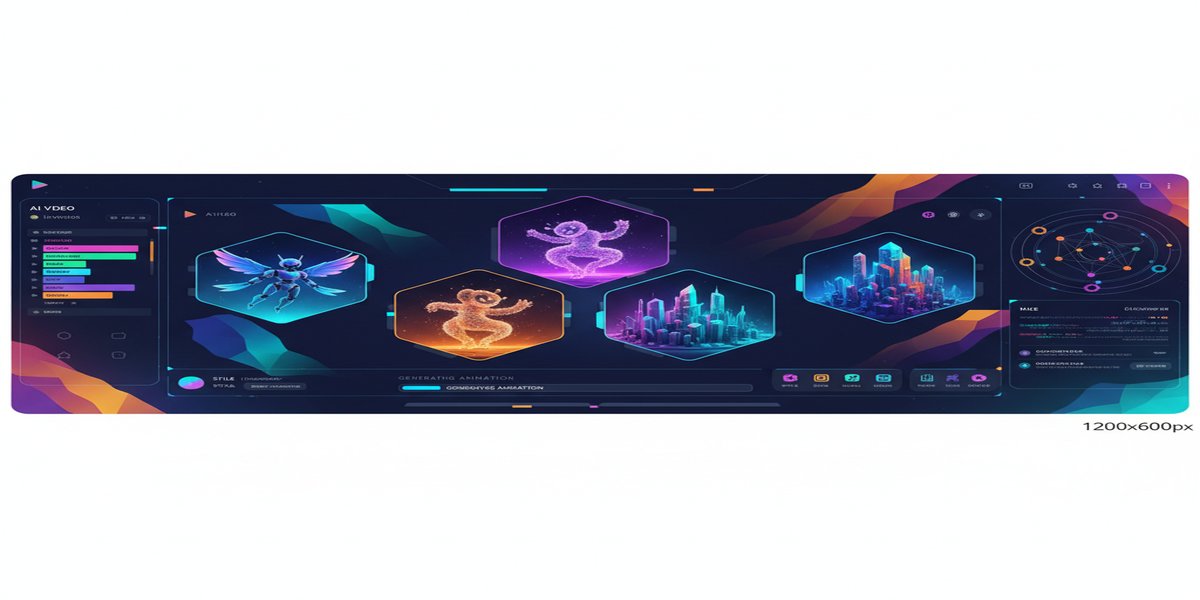

Image: DomoAI
DomoAI stands out as the most versatile all-in-one platform for creators at any skill level. Rather than focusing narrowly on one generation approach, DomoAI integrates 70+ AI video models, image generators, and editing tools into a cohesive creative suite. The platform supports text-to-video, image-to-video, video-to-video transformation, and advanced features like AI lip-sync, background replacement, and upscaling.
With 5+ million active creators and growing, DomoAI has built a thriving community ecosystem where creators share templates, styles, and remix workflows. This community-first approach lowers the barrier to entry for new users while providing advanced creators with endless inspiration. The platform’s style library includes 30+ professionally designed presets, from cinematic to animated, cartoon to photorealistic.
DomoAI’s business model is particularly attractive: a free tier with daily credits, plus flexible paid plans starting around $13.99/month. All content generated is yours to use commercially, with full rights transfer—no ambiguity around IP. The platform scales from solo content creators earning YouTube revenue to agencies handling client projects.
Pika 2.0: Streamlined Creative Tools


Image: Pika
Pika takes a different philosophical approach: rather than competing on raw capability, Pika emphasizes accessibility and seamless integration into existing creator workflows. The platform recently announced a major pivot, consolidating video, image, and sound generation into a unified interface. Notably, Pika is now embedded directly into ChatGPT as a plugin, allowing creators to generate media without leaving their conversation.
The Pika API Club has attracted significant developer interest, enabling integration into third-party creative applications. This strategy positions Pika not as a standalone competitor but as infrastructure for the broader creator economy. The platform’s pricing is transparent and performance-based, with users paying for actual renders rather than subscription tiers.
Pika’s strength lies in speed and ease-of-use. For creators who want to generate short clips quickly without wrestling with technical parameters, Pika delivers. The platform supports batch processing and API-driven workflows, making it valuable for automation-heavy use cases.
Comparative Analysis: Feature Breakdown
| Feature | Runway | Kling | DomoAI | Pika |
|---|---|---|---|---|
| Max Video Length | 60 seconds | 120 seconds | 90 seconds | 60 seconds |
| Native Resolution | 1080p–4K | 1080p–4K native | 720p–1080p | 1080p |
| Commercial Use | Yes | Yes | Yes | Yes |
| Studio Integration | Adobe, Resolve, FCP | Canvas (proprietary) | Minimal | ChatGPT, API |
| Free Tier | Limited trial | Limited trial | Yes, with daily credits | Yes, limited |
| Best For | Professional studios | Cinematic narratives | All-in-one creators | Quick iterations |
The Sora Transition: What Changed
OpenAI’s decision to sunset Sora in September 2026 initially caused concern among creators, but the market has adapted swiftly. Sora’s closure accelerated adoption of specialized competitors and exposed a critical insight: one-size-fits-all AI video tools rarely outperform purpose-built platforms. Runway’s professional integration, Kling’s artistic range, and DomoAI’s versatility each serve distinct market segments that Sora never fully addressed.
For creators who relied on Sora, migration paths are clear. Professional teams typically transition to Runway or Kling, while consumer creators gravitate toward DomoAI’s free-to-paid model or Pika’s integration ecosystem. The quality gap is narrower than many feared, suggesting Sora’s market dominance was more about brand recognition than technical superiority.
Emerging Contenders Worth Watching
While Runway, Kling, DomoAI, and Pika dominate the 2026 landscape, several emerging players are gaining traction. Google’s Veo continues to improve, with the latest iteration (Veo 3.1) showing promise for longer sequences. Luma AI’s text-to-video model integrates natively with Apple ecosystem, appealing to Mac-based creators. Hailuo and other Chinese platforms are gaining international mindshare, particularly for animation and stylized content.
The key lesson: today’s AI video market is mature enough to support multiple winners. Specialization trumps generalization, and the best tool depends entirely on your workflow, budget, and creative goals.
Pricing Breakdown: Finding Your Tier
Budget-Conscious Creators: DomoAI’s free tier with daily credits or Pika’s limited free access. Both platforms allow unlimited use of free content commercially.
Enthusiast/Prosumer: DomoAI paid plans ($13.99–$39.99/month) or Pika API membership. These tiers offer enough monthly renders for content creation without enterprise pricing.
Professional Studios: Runway ($25–$100+/month) or Kling enterprise contracts. Investment here pays dividends through integration, priority support, and API access.
Verdict: Choose Your Champion
The post-Sora landscape is more diverse and specialized than ever. Runway remains the professional standard, Kling offers the best artistic output, DomoAI delivers maximum versatility, and Pika excels at ease-of-use. The “best” platform depends on your specific needs—but all four are production-ready today.
Start with free trials to assess fit. Most creators end up using 2–3 tools in tandem, leveraging each platform’s strengths. Don’t chase the one perfect tool; build a workflow around the best combinations for your creative process.
Want to explore these tools hands-on? All four platforms offer free accounts and community tutorials. Join the millions of creators already leveraging AI video generation at scale. The future of video creation isn’t coming—it’s here, and it’s ready for you.
About AIStackDigest: We cover the intersection of AI, developer tools, and creative technology. Follow AIStackDigest for weekly roundups of tools, research, and industry shifts shaping the AI landscape.
This article was produced with the assistance of AI tools and reviewed by the AIStackDigest editorial team.