Local AI & Open Source Reporter
OpenAI CEO Sam Altman has stirred the waters of the artificial intelligence community once again with candid remarks suggesting that the world must be prepared to accept “some bad things happening” as a trade-off for the rapid advancement of AI technology. This provocative stance, articulated in a recent interview, highlights a fundamental ideological divide within the AI safety debate, particularly in contrast to more cautious approaches advocated by competitors like Anthropic.

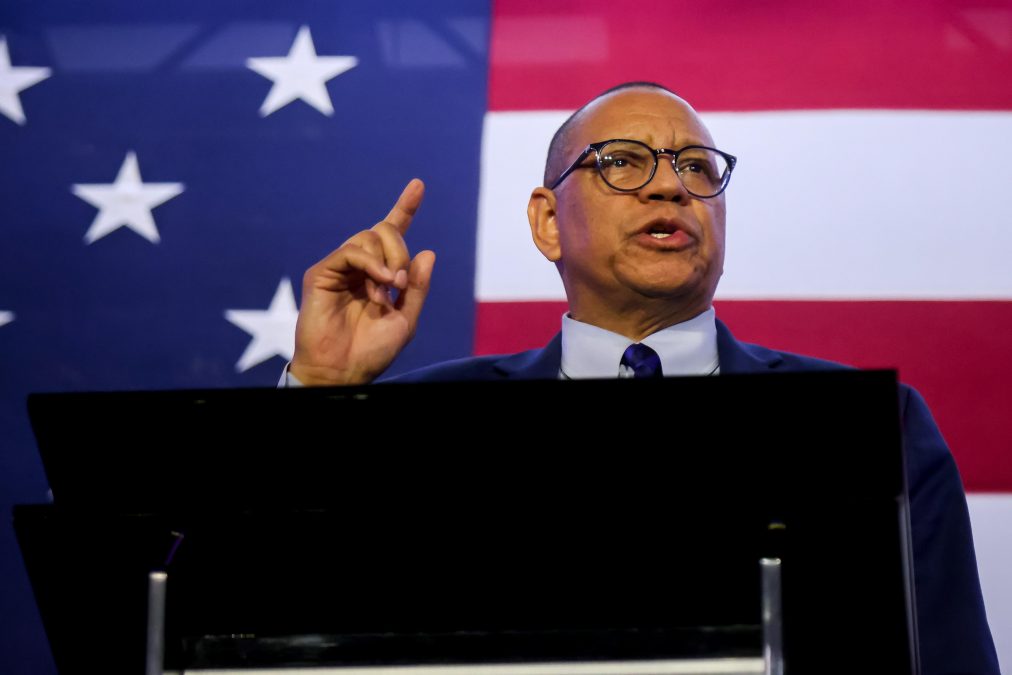
Image: Politico
What Happened
In a recent interview with Politico, widely reported by tech outlets including The Verge, OpenAI CEO Sam Altman expressed a controversial viewpoint on the trajectory of AI development. Altman posited that for the significant benefits promised by advanced AI systems to materialize, society might need to tolerate a degree of adverse outcomes. He explicitly contrasted this philosophy with that of Anthropic, a rival AI company known for its more stringent focus on AI safety and alignment. Altman’s comments suggest a willingness to accept higher risks in pursuit of rapid innovation and the perceived transformative potential of AI. This perspective underscores a fundamental tension within the AI industry: the balance between accelerating technological progress and ensuring robust safety measures to mitigate potential harms. His statements have reignited discussions about the ethical responsibilities of AI developers and the societal implications of their chosen development paths. While the exact “bad things” were not fully elaborated in the initial reports, the implication is that the pursuit of groundbreaking AI capabilities might inherently involve navigating unforeseen challenges and negative externalities that cannot be entirely prevented or predicted. This perspective is not new for Altman, who has previously identified risks such as losing control of AI alignment or concentrating too much power as potential derailers of AI progress, while simultaneously welcoming a federal AI safety framework.
The core of Altman’s argument, as interpreted from various reports, is that the transformative potential of AI — its capacity to solve grand challenges in science, medicine, and beyond — is so immense that a certain level of unavoidable negative consequences must be factored into its development. This doesn’t imply a reckless disregard for safety, but rather a strategic calculation that perfect safety might hinder progress to an unacceptable degree. This contrasts sharply with Anthropic’s co-founder Dario Amodei’s more cautious approach, which emphasizes extensive safety research and robust alignment strategies to prevent catastrophic outcomes. The differing philosophies highlight a deeper chasm within the AI research community regarding the optimal path to achieve advanced artificial intelligence safely and beneficially for humanity.
Why This Matters
Altman’s statements are critically important for several reasons. Firstly, they come from the head of one of the world’s leading AI research and deployment organizations, giving them significant weight and influence over industry discourse. His willingness to openly acknowledge and seemingly accept “some bad things” signals a departure from the often-utopian rhetoric surrounding AI, forcing a more pragmatic, albeit uncomfortable, conversation about its development. For AI practitioners, this indicates a strategic direction from OpenAI that prioritizes aggressive advancement, potentially at the cost of absolute safety guarantees—a stance that could influence funding, talent migration, and research priorities across the sector. Developers might find themselves under pressure to deliver faster, while ethicists and safety researchers will likely intensify their calls for greater scrutiny and regulation. Furthermore, this ideological split with companies like Anthropic, which champion a “safety-first” approach, could lead to divergent regulatory frameworks and public expectations for different AI products. Consumers, meanwhile, are left to ponder the potential societal trade-offs, raising questions about trust, accountability, and the long-term impact of AI on daily life. The conversation also highlights the ongoing struggle to define and implement universally accepted AI safety standards, a task made more complex by differing corporate philosophies. The potential for AI to cause unintended harm, whether through biases, misuse, or unforeseen emergent behaviors, becomes a more central concern when industry leaders articulate a willingness to navigate such issues rather than entirely prevent them.
This candid admission from Altman can be seen as both a call to action and a warning. It demands that stakeholders – from governments and regulators to researchers and the public – engage more deeply with the realities of AI development. It shifts the narrative from an idealized vision of AI to one that acknowledges its inherent complexities and the difficult choices that lie ahead. The “move fast and break things” mantra, traditionally associated with software development, takes on a far more serious connotation when applied to technologies with the transformative power of AI. Therefore, the implications of Altman’s statements extend far beyond technical discussions, influencing policy-making, public perception, and the very ethical foundations upon which future AI systems will be built.
The Bigger Picture
Sam Altman’s remarks are not isolated; they fit into a broader, escalating debate about AI safety, governance, and the pace of innovation. The AI industry is currently experiencing unprecedented growth and investment, with companies racing to develop and deploy increasingly powerful models. This competitive environment often creates tension between the desire for rapid progress and the imperative to ensure responsible development. Regulatory bodies worldwide are grappling with how to effectively oversee AI without stifling innovation, and Altman’s comments add another layer of complexity to these efforts. His stance reflects a techno-optimist viewpoint prevalent in some Silicon Valley circles, which believes that the benefits of technological advancement outweigh its inherent risks, or that solutions to problems will emerge through continued innovation. Conversely, a growing contingent of AI researchers, policymakers, and public advocates argue for a more cautious, “precautionary principle” approach, emphasizing risk mitigation and ethical considerations from the outset. This ideological battle is playing out against a backdrop of increasing public awareness about AI’s capabilities, from its potential to revolutionize industries to concerns about job displacement, bias, misinformation, and even existential risks. The outcome of this debate will profoundly shape not only the future of AI technology but also its integration into society and the global economy, making Altman’s recent comments a significant touchstone in this ongoing dialogue. This discussion is further fueled by reports of Sam Altman hinting at pacts with other AI companies to address safety risks, suggesting a recognition within the industry that a collective approach may be necessary, even amidst differing individual company philosophies.
The push for rapid deployment, as suggested by Altman, also brings to the forefront the critical role of international cooperation. Given AI’s borderless nature, a fragmented regulatory landscape could create safe havens for less scrupulous development practices, undermining global safety efforts. Altman’s position thus implicitly challenges governments and international bodies to accelerate their efforts in establishing harmonized standards and oversight mechanisms. Moreover, the public discourse generated by such statements is crucial for fostering informed societal choices about AI. Without open discussions about the trade-offs involved, the public may be ill-equipped to understand, accept, or challenge the direction in which AI is heading. This transparency, however, comes with the responsibility of ensuring that fears are not unduly amplified, and that the potential upsides of AI are also clearly communicated.
What to Watch Next
Following Sam Altman’s provocative statements, several key areas warrant close attention. Firstly, observe the reactions from other prominent AI leaders and organizations, particularly those aligned with Anthropic’s safety-focused mission. Any public rebuttals or endorsements will further delineate the ideological battle lines within the industry. Secondly, pay close attention to policy discussions and regulatory proposals in major jurisdictions. Altman’s willingness to accept “some bad things” could either galvanize regulators to impose stricter controls or provide ammunition for those arguing for a more permissive environment. Thirdly, monitor OpenAI’s product releases and research initiatives. Will their future endeavors reflect a continued emphasis on rapid deployment, even with acknowledged risks, or will there be subtle shifts towards more explicit safety measures? The discourse around AI ethics and societal impact will also intensify, potentially leading to new academic research, public advocacy campaigns, and media scrutiny. Finally, keep an eye on the broader market dynamics. If OpenAI’s approach yields significant breakthroughs, it could pressure competitors to adopt a similar risk tolerance, potentially accelerating the overall pace of AI development but also magnifying its associated challenges. The ongoing philosophical struggle between innovation and caution, as encapsulated by Altman’s recent remarks, will be a defining feature of the AI landscape in the coming months and years. Specifically, look for any concrete actions OpenAI might take regarding AI safety protocols and their engagement with global regulatory bodies, as well as how other major players like Google and Meta publicly address these evolving narratives around risk and reward in AI development.
The Bottom Line
Sam Altman’s recent assertion that “some bad things” might be an acceptable cost for AI’s progress crystallizes a critical juncture for the industry. It forces an uncomfortable but necessary societal dialogue: how much risk are we willing to tolerate for the sake of technological advancement? This ideological divide, especially with safety-conscious counterparts, will undoubtedly shape regulatory approaches, corporate strategies, and public trust in AI, underscoring the urgent need for a cohesive global framework that balances innovation with unwavering ethical responsibility. The conversation is no longer about *if* AI will bring challenges, but *how* society and industry leaders choose to confront these inevitable complexities to harness AI’s profound benefits responsibly.
What to Read Next
- Claude Haiku 5.5 Review: Speed, Cost, and Best Use Cases in 2026
- Perplexity Pro Review 2026: The Intelligence Engine Every Researcher Needs
- Power Prompts: 9 Developer Prompts That Streamline Your Workflow (2026)
- Power Prompts: 9 Developer Prompts That Streamline Your Workflow (2026)
- Browse all AI Stack Digest articles
Bookmark aistackdigest.com for daily AI tools, reviews, and workflow guides.
This article was produced with the assistance of AI tools and reviewed by the AIStackDigest editorial team.